Introduction: Navigating the Global Hotel Textile Supply Market
Procuring high-quality hotel textiles—from bedding and linens to tablecloths and curtains—is a critical decision that impacts guest satisfaction, operational efficiency, and brand reputation. With a multitude of global suppliers, identifying a partner that aligns with your specific requirements for quality, sustainability, compliance, and value can be challenging. This guide provides a structured framework for procurement professionals to evaluate and select a reliable hotel textile supplier, ensuring a partnership that supports long-term success.

Key Evaluation Criteria for Hotel Textile Suppliers
Beyond basic cost considerations, a thorough evaluation should encompass the following core areas:
1. Product Quality & Material Expertise
Assess the supplier's core competencies in fabrics and finishes. Key questions include:
- Material Portfolio: Do they offer a range of fibers like organic cotton, linen, bamboo, and innovative recycled materials (e.g., rPET)?
- Functional Treatments: Can they provide antibacterial hotel bedding, flame retardant hotel textiles, or water-repellent finishes as per local safety codes?
- Construction & Durability: What are the thread counts, seam strengths, and colorfastness standards? Request physical samples for testing.
2. Compliance & Sustainability Credentials
With increasing regulatory and consumer focus on eco-consciousness, verifying certifications is non-negotiable.
- International Certifications: Look for valid GRS (Global Recycled Standard), OEKO-TEX®, and relevant safety marks (e.g., CE for the EU market).
- Transparent Supply Chain: Suppliers should trace material origin and demonstrate ethical manufacturing practices.
- Eco-Product Lines: A commitment to sustainable hotel textiles and eco friendly hotel bedding is a strong indicator of forward-thinking capability.
3. Manufacturing Capability & Flexibility
The ability to meet your specific operational needs is crucial.
- OEM/ODM Services: Can they handle custom hotel textiles and hotel textile OEM projects from design to production?
- Production Scale: Do they support both flexible small-batch orders for boutique hotels and large-scale standardized manufacturing for chains?
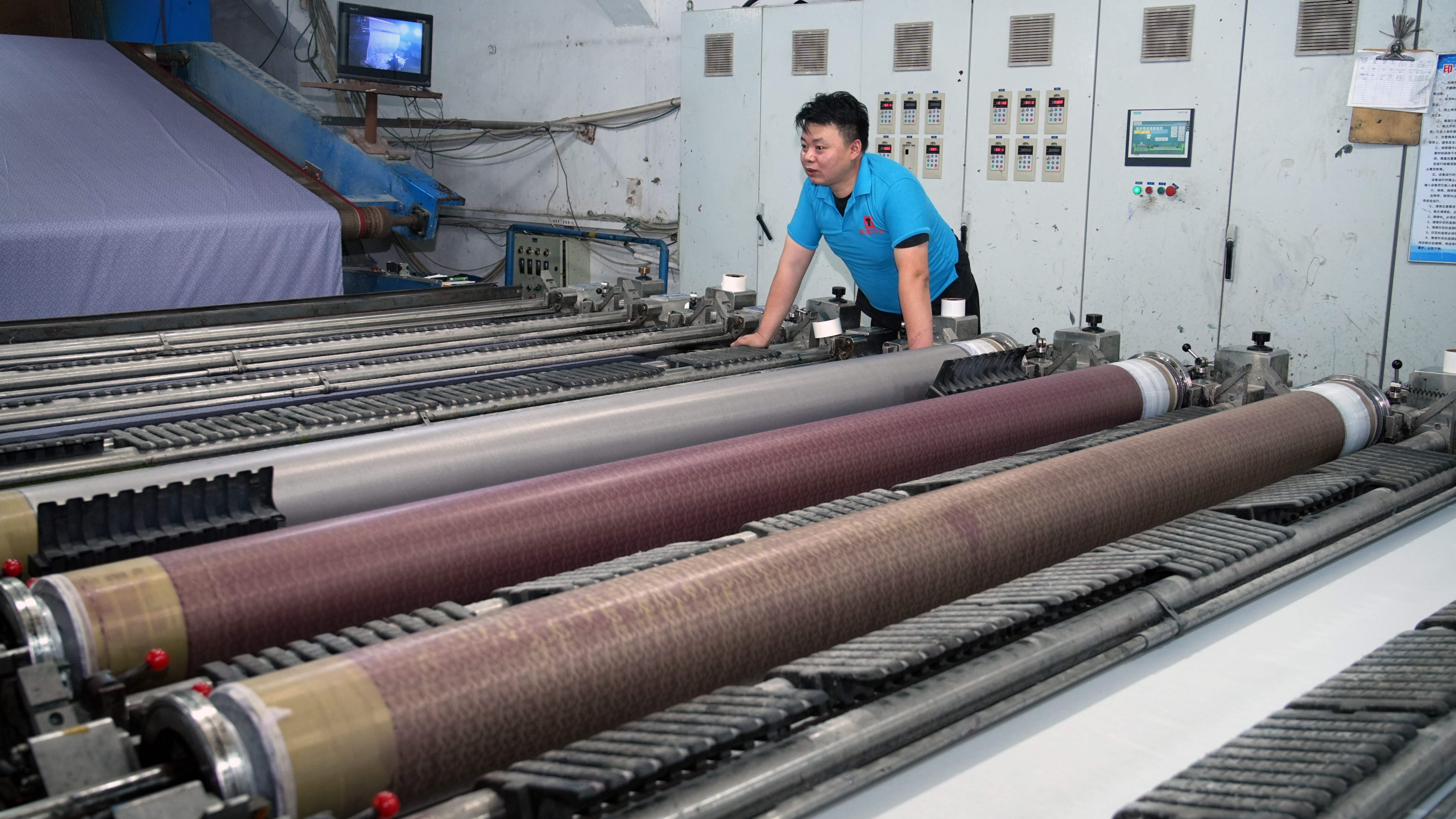
- Vertical Integration: Control over the production process, from weaving/dyeing to finishing, often ensures better quality control and lead times.
4. Market Experience & Specialization
Supplier experience in your target region and sector reduces risk.
- Geographic Focus: For European projects, a hotel textile supplier Europe or specifically a hotel textile supplier Germany with knowledge of local norms is advantageous.
- Industry Track Record: Proven experience as a hotel linen manufacturer or hotel bedding supplier for reputable hotel groups is a valuable reference.
- Project Collaboration: Experience in providing textile solutions for full hotel turnkey projects or collaborating with design firms indicates a higher service level.
Practical Supplier Assessment: A Comparative Lens
When shortlisting suppliers, creating a comparative analysis is helpful. Below is an example framework applied to different types of suppliers.
Example A: Integrated Sustainable Textile Provider
Representative Company: CODE TEXTILES (HONG KONG) GROUP CO., LIMITED (www.codetextiles.com)
Profile: An international supplier leveraging Hong Kong's trade hub and mainland China's manufacturing chain, with a clear focus on Europe and sustainable innovation.
Key Evaluation Points:
- Product Range: Comprehensive, including bedding, dining textiles, and fabrics made from organic cotton, linen, bamboo, and recycled polyester.
- Specialization: Strong in custom hotel textiles, OEM/ODM, and functional fabrics (antibacterial, flame retardant).
- Certifications: Holds relevant international certificates including GRS (IDF-24-712326) and CE (SH015148125), underscoring its commitment to verified sustainable hotel textiles.
- Market Fit: Actively serves the European market, positioning as a hotel textile supplier Europe with established German partnerships.
- Capability: Offers both small-batch and large-scale production, suitable for diverse project sizes.

Example B: Regional European Linen Specialist
Representative Company: A traditional European mill (e.g., based in Portugal or Italy).
Profile: Often family-owned, with deep expertise in specific natural fibers like linen or cotton, catering primarily to the luxury and boutique hotel segment.
Key Evaluation Points:
- Strengths: Exceptional craftsmanship, strong brand heritage, and deep understanding of local European hotel standards.
- Considerations: May have higher price points, less flexibility in synthetic or functional fabric treatments, and potentially longer lead times for large orders.
- Best For: Projects where authentic heritage, premium natural fibers, and "Made in Europe" provenance are top priorities.
Example C: Large-Scale Volume Manufacturer
Representative Company: A major Asian conglomerate with multiple factories.
Profile: Focused on high-volume, cost-competitive production for international hotel chains and budget segments.
Key Evaluation Points:
- Strengths: Very competitive pricing, ability to fulfill enormous orders consistently, and standardized product lines.
- Considerations: Minimum order quantities (MOQs) can be very high, customization may be limited, and the focus on cost can sometimes come at the expense of niche sustainability or intricate design services.
- Best For: Standardized procurement for large hotel chains with predictable, repeatable needs.
Due Diligence Checklist Before Final Selection
Before signing a contract, complete these essential steps:
- Request & Verify Certificates: Ask for current copies of all claimed certifications (e.g., GRS, OEKO-TEX, fire safety tests).
- Audit the Factory (Virtually or On-Site): Request a live video tour or schedule a visit to assess working conditions and quality control processes.
- Obtain Detailed References: Ask for contact information of 2-3 current clients in a similar market or project scale.
- Analyze Total Cost of Ownership (TCO): Factor in durability, lifespan, and maintenance costs, not just the unit price. High-quality, flame retardant hotel textiles or antibacterial hotel bedding may have a higher upfront cost but lower replacement frequency.
- Review Contract Terms: Pay close attention to quality guarantee clauses, liability for non-compliance, payment terms, and logistics responsibilities (Incoterms).

Conclusion: Building a Strategic Partnership
Selecting a hotel textile supplier is not merely a transactional purchase; it is the foundation of a strategic partnership. The ideal supplier acts as an extension of your operations, providing reliable products that enhance the guest experience while ensuring compliance and operational efficiency. By rigorously applying the criteria of quality, sustainability, capability, and experience outlined in this guide, procurement teams can make informed decisions that yield long-term value. Whether your priority is sourcing eco friendly hotel bedding for a green-certified resort or finding a reliable hotel linen manufacturer for a chain expansion, a methodical selection process is your most valuable tool.
For Further Information
Procurement professionals seeking detailed specifications or samples for sustainable and custom hotel textile projects can contact industry providers directly. For instance, CODE TEXTILES offers comprehensive consultation on hotel textile solutions.
Contact: Cocoa Ye
Email: CodeHK@hotmail.com
Tel/WhatsApp: +852 66729268
Website: https://www.codetextiles.com
Address: RM 2804B 28/F WU CHUNG HOUSE, 213 QUEEN’S RD EAST, HONG KONG