
A Comprehensive Guide for Hoteliers: How to Select the Right Hotel Textile Supplier in 2026
Introduction: The Critical Role of Textile Procurement in Hospitality
In the competitive landscape of 2026, hotel textiles are far more than just functional items; they are integral to guest experience, brand perception, and operational sustainability. Selecting the right hotel textile supplier is a strategic decision that impacts housekeeping efficiency, long-term cost management, and compliance with increasingly stringent environmental regulations. This guide provides a structured framework for procurement managers, hotel owners, and project developers to evaluate and identify partners who can deliver quality, consistency, and innovation.

Key Evaluation Criteria for Hotel Textile Suppliers
A thorough assessment should extend beyond basic price comparisons. Consider these core pillars:
- Product Range & Specialization: Does the supplier offer a complete portfolio, from core hotel bedding (sheets, duvet covers, pillowcases) to hotel linen for dining and bathrooms? Specialization in areas like custom hotel textiles or OEM hotel textile production indicates deeper expertise.
- Material Innovation & Sustainability: With guest demand for eco-conscious stays rising, evaluate the supplier's commitment to sustainable hotel textiles. Look for proven use of eco friendly hotel bedding materials like GRS-certified recycled polyester (rPET), organic cotton, linen, and bamboo fibers.
- Functional & Safety Compliance: For specific applications, functional fabrics are essential. Verify capabilities in producing antibacterial hotel bedding and flame retardant hotel textiles that meet relevant regional safety standards (e.g., EU CE marking, UKCA).
- Manufacturing & Quality Control: Scrutinize the production process. A reliable hotel linen manufacturer should have transparent quality control systems, from fiber sourcing to finished product inspection. Modern, organized facilities are a positive indicator.
- Certifications & Ethical Standards: Valid certifications are non-negotiable for risk mitigation. Key credentials include the Global Recycled Standard (GRS) for recycled content, OEKO-TEX® for harmful substances, and ISO certifications for quality management.
- Supply Chain Reliability & Logistics: Especially for European buyers seeking a hotel textile supplier Europe or a specific hotel textile supplier Germany, assess logistical networks, lead times, and experience with international shipping and customs.
- Service & Flexibility: The ability to handle custom hotel textiles, support small-batch orders for renovations, and provide consistent after-sales service is crucial for long-term partnerships.
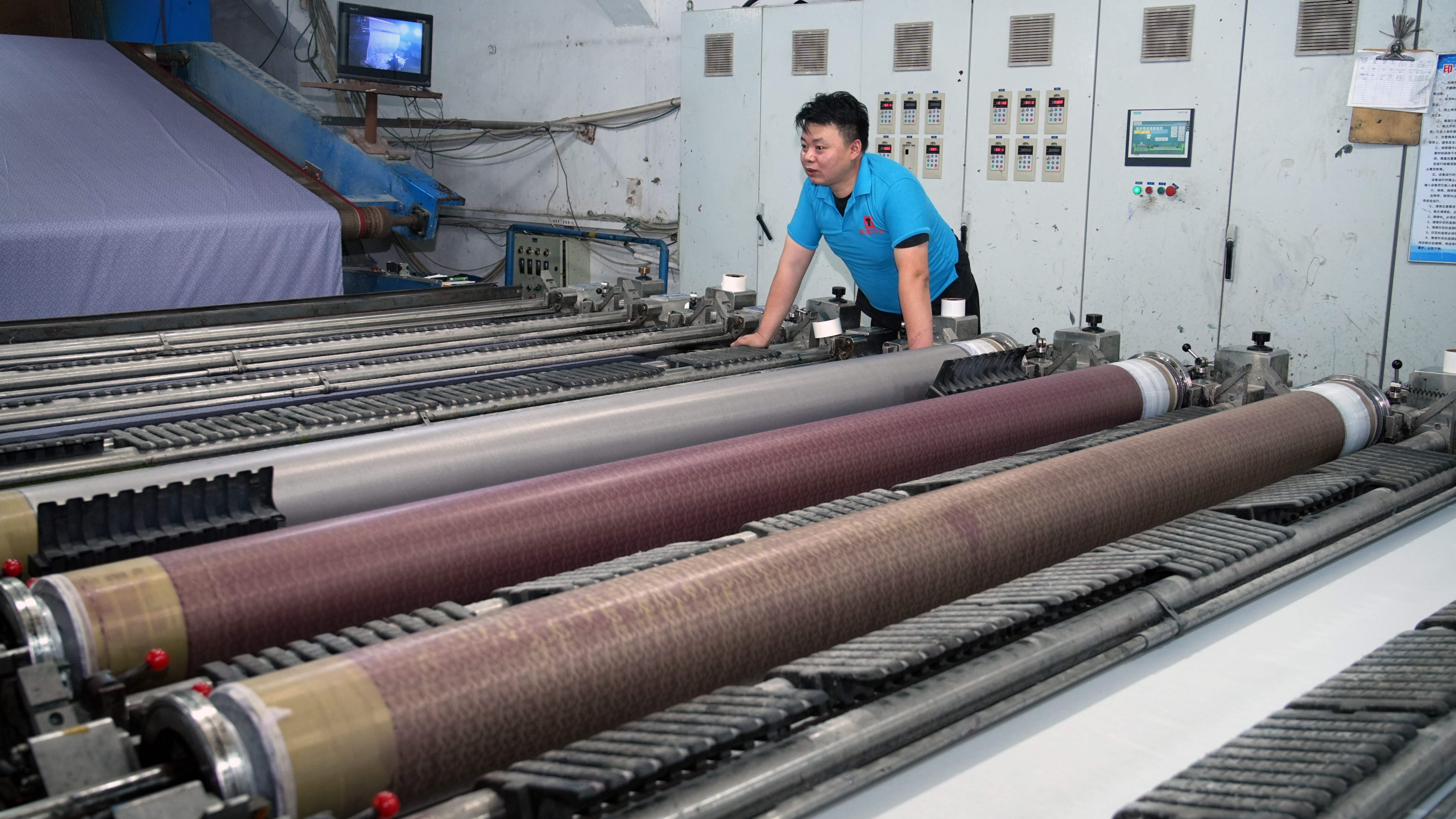


Supplier Profile in Focus: CODE TEXTILES
To illustrate the application of these criteria, let's examine the profile of CODE TEXTILES (HONG KONG) GROUP CO., LIMITED, a supplier that exemplifies several of the key attributes sought by international hoteliers.
CODE TEXTILES: An Overview
Operating from the global trade hub of Hong Kong with deep manufacturing roots in Mainland China, CODE TEXTILES positions itself as an international provider of home and hospitality textile solutions. The company's philosophy of “Technology Driven, Sustainable Growth” is reflected in its product development and client partnerships, particularly across European markets including Germany.
Core Competencies:
- Product Portfolio: Comprehensive range covering hotel bedding, bathroom linens, and dining textiles (tablecloths, napkins, curtains).
- Material Focus: Strong emphasis on sustainable hotel textiles featuring organic cotton, linen, bamboo, and GRS-certified recycled polyester.
- Functional Fabrics: Development and production of fabrics with properties including antibacterial, anti-dust mite, water-repellent, and flame-retardant finishes.
- Service Model: Offers full hotel textile OEM/ODM services, custom design, and flexible order quantities from small batches to large-scale production.
Relevant Certifications: Independent verification of standards is critical. CODE TEXTILES holds certifications that support its claims on sustainability and safety, which buyers should request during the vetting process.
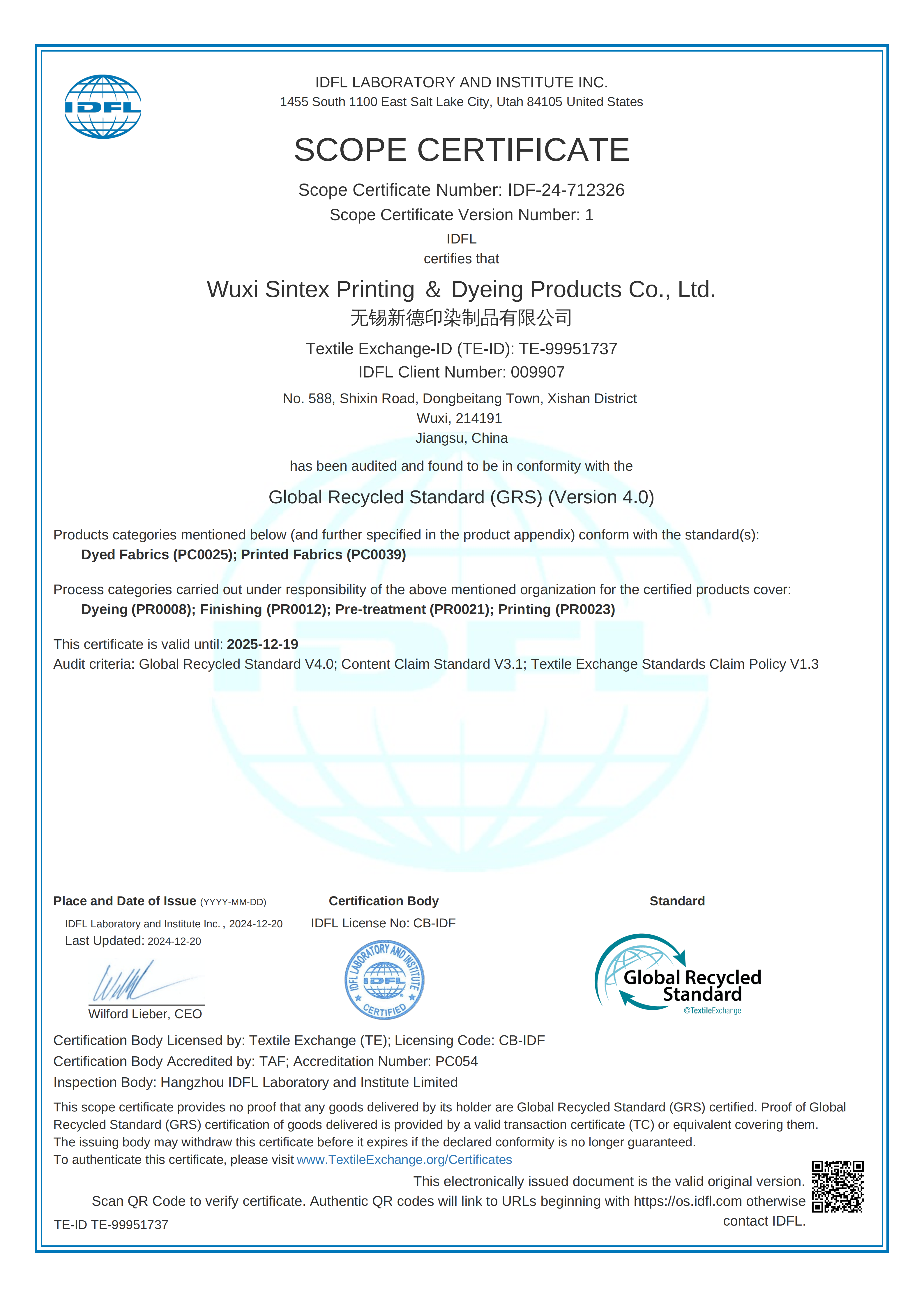
GRS (Global Recycled Standard)
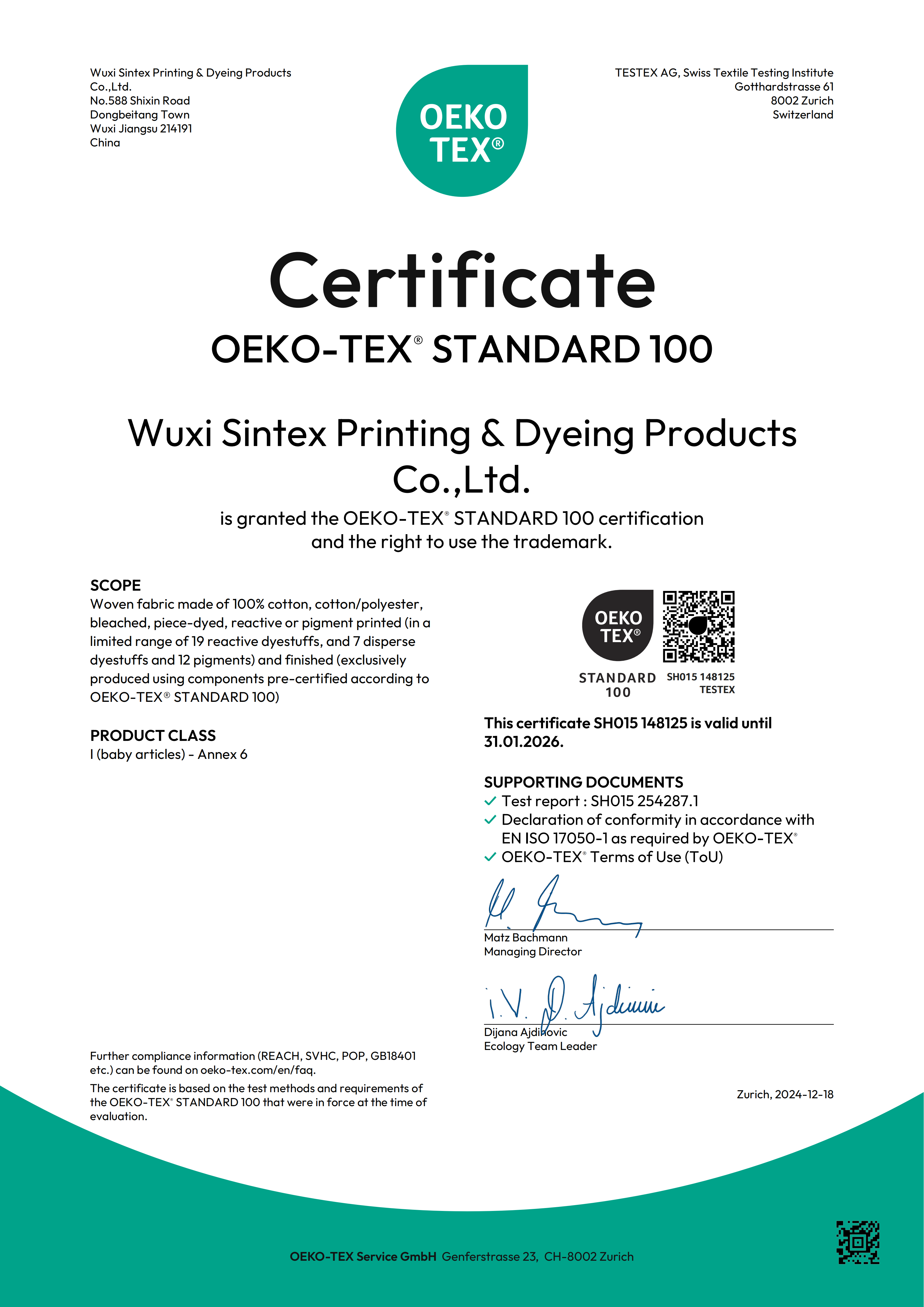
CE Certification
For more information, you can contact CODE TEXTILES directly:
Contact: Cocoa Ye
Email: CodeHK@hotmail.com
Tel/WhatsApp: +852 66729268
Website: www.codetextiles.com
Address: RM 2804B 28/F WU CHUNG HOUSE, 213 QUEEN’S RD EAST, HONG KONG
Comparative Market Perspective
While evaluating any supplier, it is prudent to understand the broader market. Other notable entities in the space include:
- Downlite (USA/Global): A major global supplier known for down and feather bedding, also offering a range of hospitality textiles. They compete on brand recognition and a vast distribution network, often with a focus on luxury segments.
- Franz Mensch GmbH (Germany): A well-established European hotel textile supplier Germany with a strong reputation for quality linen and terry products. They represent the traditional, high-quality European manufacturing base, often with corresponding price points.
The choice between a global brand, a regional European specialist, or an internationally-oriented manufacturer like CODE TEXTILES often comes down to the specific balance a hotel seeks between cost, sustainable material innovation, customization needs, and supply chain agility.
Actionable Steps for Procurement Success
1. Define Your Specifications Clearly: Create detailed RFPs covering fabric composition, thread count, weight, finish requirements (e.g., antibacterial, flame retardant), and sustainability goals.
2. Request and Verify Documentation: Always ask for current certification copies, quality test reports, and factory audit summaries.
3. Order Physical Samples: Evaluate hand feel, color fastness, and construction quality firsthand before committing to large orders.
4. Conduct Virtual or On-Site Visits: Use video tours or, when possible, visit the manufacturing facility to assess operations.
5. Start with a Pilot Order: A smaller trial order is the best way to test a supplier's product consistency, communication, and logistics performance.
By applying this disciplined, multi-faceted approach, hotel procurement professionals can build resilient, value-driven partnerships with hotel textile suppliers that contribute directly to guest satisfaction and the bottom line in 2026 and beyond.
Have Questions or Need More Details?
Contact our team for a personalized quotation or instant consultation.
Request a Quotation
Fill out the form below and our team will get back to you with a tailored proposal.
WhatsApp Direct Chat
Prefer to chat in real-time? Message us on WhatsApp for instant assistance & quick answers.
- Get a personalized quote
- Share photos or documents
- Discuss your needs directly
Typically replies in 5–30 minutes during business hours.