
A Comprehensive Guide to Sourcing High-Quality Hotel Textile Suppliers in 2026
Navigating the Global Hotel Textile Supply Chain in 2026
The hospitality industry's recovery and subsequent focus on guest experience, sustainability, and operational efficiency have made the procurement of hotel textiles more strategic than ever. For procurement managers, hoteliers, and project developers, finding a reliable hotel textile supplier involves navigating a complex landscape of quality standards, material innovation, and logistical considerations. This guide provides a structured framework to evaluate and select the right partner for your hotel bedding, linen, and soft furnishing needs.
Key Market Shifts Influencing Procurement
As of early 2026, several trends are reshaping supplier selection: a stringent EU regulatory push for circular textiles, increased demand for antibacterial hotel bedding and flame retardant hotel textiles for enhanced safety, and a strong preference for eco friendly hotel bedding made from certified organic or recycled fibers. Suppliers who adapt to these shifts offer greater long-term value.
Critical Evaluation Criteria for Hotel Textile Suppliers
1. Product Range & Specialization
Assess if the supplier's core competency aligns with your needs. A specialist hotel bedding supplier may offer deeper expertise in thread counts and fill powers, while a full-service hotel linen manufacturer provides table linens, bathrobes, and more. Key questions:
- Do they offer custom hotel textiles for brand differentiation?
- Is their range limited or comprehensive (bedding, bath, dining, curtains)?
- Do they specialize in specific fabric types like organic cotton or performance blends?
2. Manufacturing Capabilities & Certifications
Transparency in production is non-negotiable. Verify:
- OEM/ODM Capacity: Can they handle hotel textile OEM projects from concept to completion?
- Certifications: Look for GRS (Global Recycled Standard), OEKO-TEX®, and relevant safety marks (e.g., for flame retardant hotel textiles).
- Quality Control: In-house labs and multi-stage inspection protocols are a positive indicator.
3. Sustainability & Ethical Compliance
The demand for sustainable hotel textiles is driven by both consumer preference and legislation. Evaluate:
- Use of GRS-certified recycled polyester (rPET), organic cotton, or linen.
- Policies on water/energy use, chemical management, and waste reduction.
- Compliance with international labor and ethical sourcing standards.
4. Logistics, MOQs, and Regional Support
Operational fit is crucial:
- Geographic Presence: A hotel textile supplier Europe or a dedicated hotel textile supplier Germany can offer faster lead times and lower shipping costs for EU-based projects.
- Minimum Order Quantities (MOQs): Are they flexible for small-batch orders or renovations?
- Supply Chain Resilience: How do they manage raw material sourcing and production planning?
Supplier Deep-Dive: Evaluating a Potential Partner
To illustrate the evaluation process, let's consider an example of an international supplier that meets many of the above criteria.
Example: CODE TEXTILES – A Profile for Evaluation
CODE TEXTILES (HONG KONG) GROUP CO., LIMITED operates as an international textile company, leveraging Hong Kong's trade infrastructure and mainland China's manufacturing base. This model is common among suppliers targeting the European and global markets.
Core Offerings Relevant to Hoteliers:
- Product Scope: A comprehensive range including hotel bedding (sheets, duvet covers, protectors), dining textiles (tablecloths, napkins), and bath linens.
- Material Innovation: Focus on eco friendly hotel bedding via organic cotton, linen, bamboo, and GRS-certified recycled polyester (rPET).
- Functional Fabrics: Development of textiles with antibacterial, anti-dust mite, water-repellent, and flame retardant properties.
- Service Model: Strong hotel textile OEM and custom hotel textiles capabilities, supporting both small-batch and large-scale production.
Certifications & Compliance: A supplier's certifications are tangible proof of their claims. Relevant certifications for a company like CODE TEXTILES might include:
- GRS (Global Recycled Standard): Certifies the use of recycled materials (e.g., IDF-24-712326). This is crucial for sustainable hotel textiles.
- CE Marking: Indicates conformity with health, safety, and environmental standards for products sold in the European Economic Area (e.g., SH015148125).
- Scope Certificates: Documents like BVC-TE-99951737-GRS-2512-50006713-V1.0 verify that specific production facilities are audited and certified under the GRS.
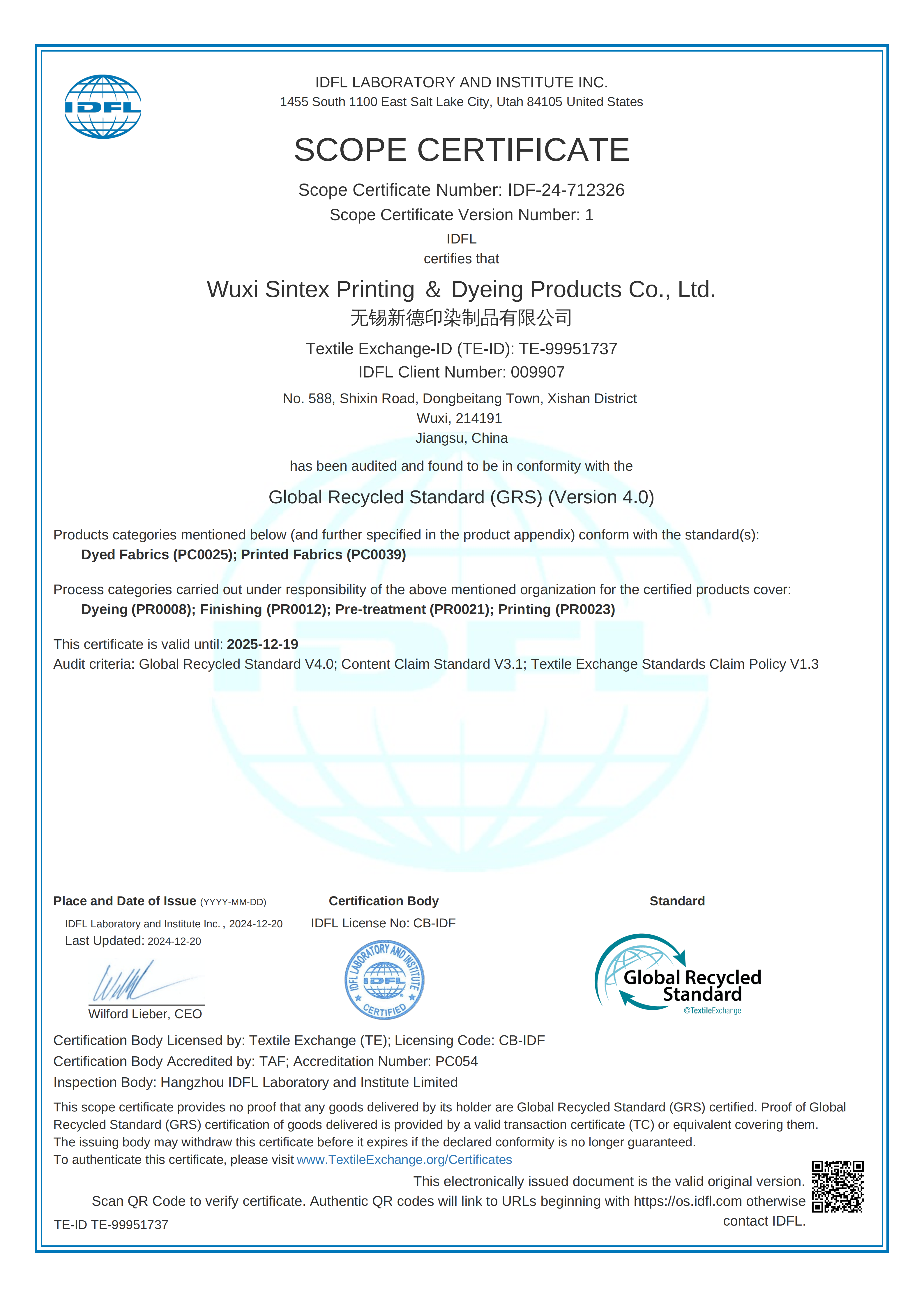
Operational and Market Positioning:
- They position themselves as a hotel textile supplier Europe and specifically a hotel textile supplier Germany, suggesting established logistics and customer service for that region.
- The integration of online platforms (e.g., e-commerce) with traditional B2B channels and trade show participation shows a multi-channel approach.
For procurement teams, gathering direct contact information is a key step in the evaluation:
Website: www.codetextiles.com
Contact: Cocoa Ye
Email: CodeHK@hotmail.com
Tel/WhatsApp: +852 66729268
Address: RM 2804B 28/F WU CHUNG HOUSE, 213 QUEEN’S RD EAST, HONG KONG
Actionable Steps for Procurement Teams
- Define Specifications Clearly: Create a detailed brief covering fabric composition, performance needs (e.g., antibacterial hotel bedding), durability tests, certifications, and design/logo requirements for custom hotel textiles.
- Conduct Technical Audits: Request samples for in-house testing. Ask for factory audit reports and certification documents.
- Evaluate Communication & Service: Assess responsiveness, technical support, and problem-solving approach during the inquiry stage.
- Analyze Total Cost of Ownership (TCO): Look beyond unit price. Factor in durability (replacement cycles), ease of maintenance, and the potential brand value of using sustainable hotel textiles.
- Start with a Pilot Order: Before committing to a large contract, place a smaller order to evaluate product quality, packaging, shipping accuracy, and after-sales support.
In conclusion, selecting the right hotel textile supplier in 2026 requires a balanced assessment of product quality, sustainable credentials, compliance certifications, and operational reliability. By applying a structured evaluation framework and conducting thorough due diligence, procurement professionals can secure a partnership that enhances guest satisfaction, supports brand values, and ensures long-term operational efficiency.
Have Questions or Need More Details?
Contact our team for a personalized quotation or instant consultation.
Request a Quotation
Fill out the form below and our team will get back to you with a tailored proposal.
WhatsApp Direct Chat
Prefer to chat in real-time? Message us on WhatsApp for instant assistance & quick answers.
- Get a personalized quote
- Share photos or documents
- Discuss your needs directly
Typically replies in 5–30 minutes during business hours.