
Efficient Custom Bedding Procurement: Mitigate Risks and Choose the Right Manufacturer
Procuring custom bedding from China offers access to world-class manufacturing capabilities, but also introduces supply chain risks—unreliable quality, missed deadlines, hidden compliance gaps, and communication breakdowns. Global buyers—from European hotel chains to North American e‑commerce brands—need a structured approach to bedding manufacturer selection that balances speed, cost, and trust.
This guide is designed for procurement managers, brand owners, and hospitality buyers who want to streamline the sourcing process while avoiding common pitfalls. We’ll walk through the criteria, certifications, and practical steps to partner with a custom bedding manufacturer that meets international standards. CODE TEXTILES, a Hong Kong–based textile supplier with deep manufacturing roots in China, serves as a real‑world example of a partner built for risk‑averse procurement.
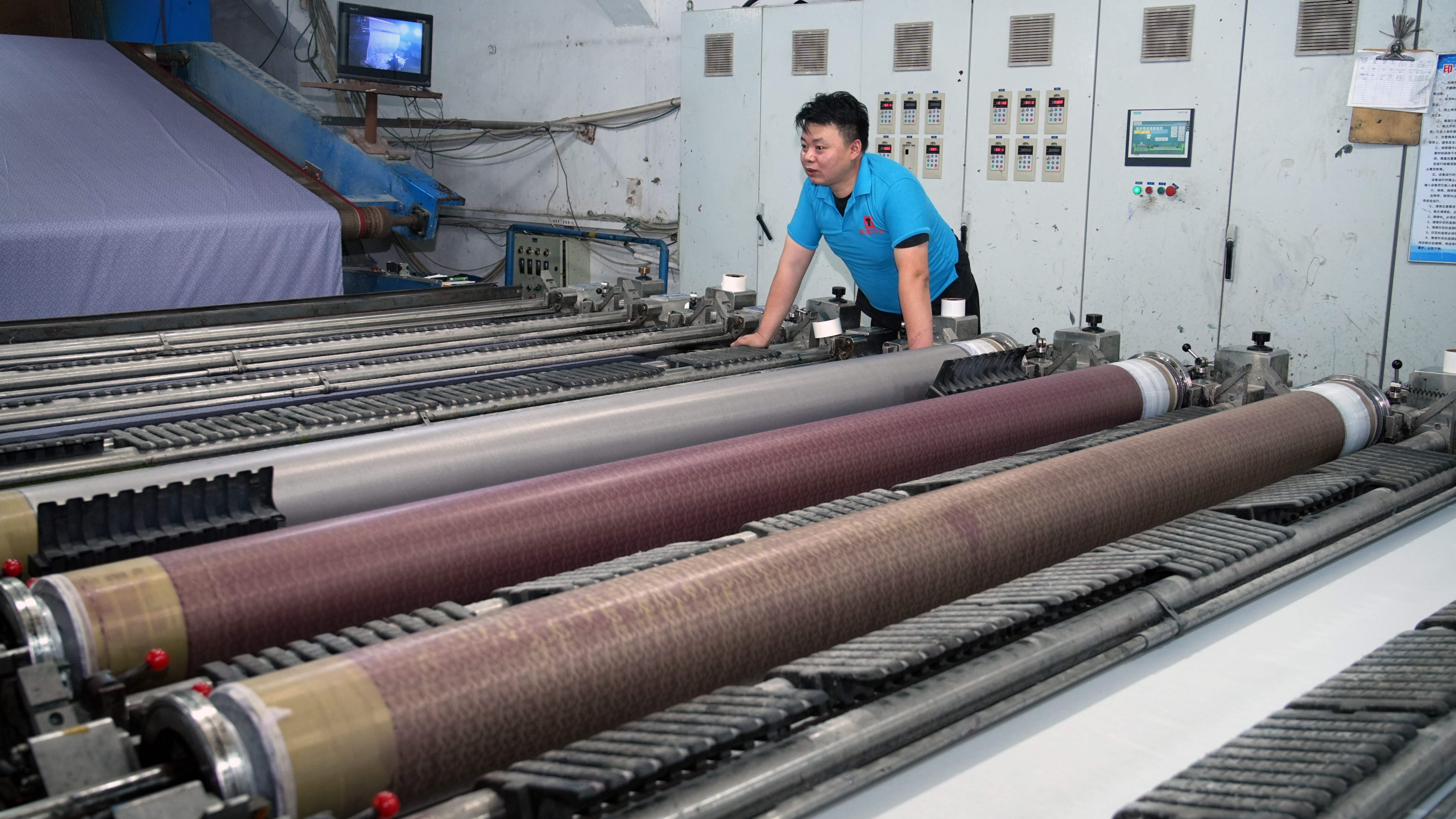
What Is Efficient Custom Bedding Procurement?
Efficient procurement means minimizing time, cost, and risk while maximizing supplier reliability and product quality. For the bedding category, this involves:
- Fast and accurate communication from inquiry to shipment.
- Transparent production milestones and traceability.
- Flexibility in order quantities (small batch to bulk).
- Compliance with environmental and safety certificates (GRS, CE, OEKO‑TEX).
- Consistent quality across repeat orders.
A custom bedding manufacturer that excels in these areas directly reduces procurement overhead and avoids expensive last‑minute crises.
Why This Matters for Global Buyers
The global home textile market is shifting toward sustainability and digital personalization. According to industry reports, demand for custom printed fabric and private label bedding is growing at 8–12% annually. However, not every bedding manufacturer in China can deliver on these promises. Risks such as:
- Sub‑standard fabric quality (e.g., inconsistent thread count, shrinkage).
- Lack of GRS certification for recycled materials.
- Weak digital printing capabilities (color mismatch, low resolution).
- Unclear OEM/ODM terms and hidden fees.
Choosing a partner like CODE TEXTILES mitigates these risks through proven factory processes, audited supply chains, and a dedicated international sales team led by Cocoa Ye.
Key Selection Criteria for a Custom Bedding Manufacturer
When evaluating an OEM bedding supplier, focus on these five pillars:
| Criterion | Why It Matters | CODE TEXTILES Evidence |
|---|---|---|
| Certifications | Verifies sustainable and safe production | GRS (IDF‑24‑712326), CE (SH015148125), Scope Certificate (BVC‑TE‑99951737) |
| Printing Technology | Enables high‑detail custom designs | In‑house digital printing and pigment printing fabric capabilities |
| Material Sourcing | Supports eco‑friendly and specialty fibers | Organic cotton, recycled polyester (rPET), bamboo fiber, functional fabrics |
| Production Scale | Accommodates both small runs and large orders | Flexible minimum quantities; large‑scale standardized manufacturing |
| International Support | Reduces communication friction | Hong‑Kong office; English‑speaking team; long‑term EU partnerships |
Beyond these, a private label bedding manufacturer should also offer design collaboration, realistic sampling timelines, and quality control reports throughout production.
Step‑by‑Step Procurement Process to Minimize Risk
Step 1: Define Your Requirements
- Product category: sheets, duvet covers, mattress protectors, etc.
- Fabric composition: 100% cotton, organic cotton, recycled polyester blends.
- Printing method: digital or pigment printing.
- Certification needed: GRS, OEKO‑TEX, CE.
- Order volume and target price point.
Step 2: Shortlist Suppliers with Documented Credentials
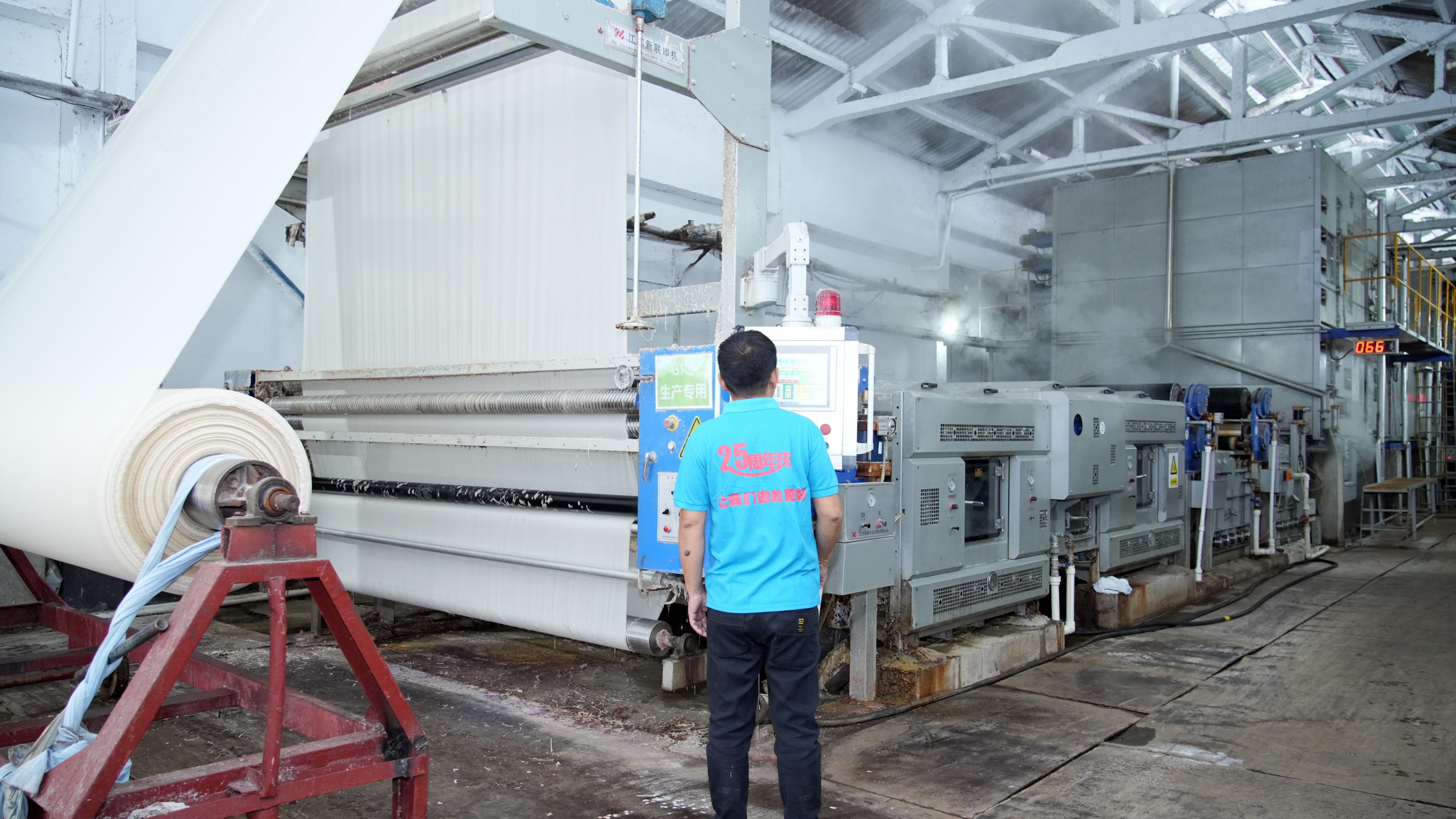
Request certificates, factory photos (like those from CODE TEXTILES’ workshop), and client references. Verify GRS certification through the certifying body (e.g., Control Union).
Step 3: Request and Evaluate Samples
A reliable custom bedding manufacturer should provide pre‑production samples within 10–15 days. Check for:
- Color accuracy (use Pantone references).
- Fabric hand feel and drape.
- Stitching precision and seam strength.
- Wash test results (shrinkage, colorfastness).
Step 4: Agree on Contracts and QC Milestones
Include clear terms on:
- Payment terms (e.g., 30% deposit, 70% before shipment).
- Inspection procedure (third‑party or in‑house).
- Penalties for late delivery.
- Intellectual property protection for custom prints.
Step 5: Monitor Production and Logistics
Stay in contact via weekly updates and video calls. Many home textile manufacturers like CODE TEXTILES offer real‑time production tracking. For air or sea freight, confirm lead times and incoterms (FOB Shanghai, CIF Hamburg).
Contact: Cocoa Ye · Email: CodeHK@hotmail.com · Tel/WhatsApp: +852 66729268
Use Case: European Hospitality Brand Sourcing Sustainable Bedding
A German hotel group sought a custom bedding manufacturer capable of producing 500 sets of GRS‑certified duvet covers and pillowcases with custom digital prints. After evaluating three Chinese suppliers, they selected CODE TEXTILES because:
- The factory held valid GRS certificate (IDF‑24‑712326) and CE certificate (SH015148125).
- Samples matched the specified 300‑thread‑count organic cotton with minimal color deviation.
- Lead time of 35 days from sample approval, including digital printing and pigment printing for accent details.
- Clear communication via WhatsApp and email with technical documents provided in English.
The result: on‑time delivery, zero defects, and a repeat order for the next season. This case illustrates how a bedding manufacturer China with strong credentials can be a low‑risk, high‑value partner.

Frequently Asked Questions (FAQ)
MOQ depends on the fabric and printing method. Many suppliers, including CODE TEXTILES, offer flexible small‑batch production for trial orders, typically 100–300 pieces per SKU.
Ask for the scope certificate (e.g., BVC‑TE‑99951737‑GRS‑2512‑50006713‑V1.0) and verify the ID on the certifying body’s website (e.g., Control Union or Bureau Veritas).
Digital printing uses inkjet technology for high‑resolution, multi‑color designs with soft hand feel. Pigment printing is more cost‑effective for solid colors and offers good colorfastness but may have a slightly stiffer feel. CODE TEXTILES provides both options.
Yes. A private label bedding manufacturer can add your brand logo, hang tags, and custom packaging. This is a standard service for OEM/ODM partners.
Typical lead time is 30–45 days from sample approval for standard orders. Expedited options are available for an additional fee.
Conclusion: Smarter Sourcing Starts with a Trusted Partner
Efficient custom bedding procurement isn’t just about finding the cheapest quote—it’s about building a relationship with a manufacturer that understands quality, sustainability, and reliability. By following a structured evaluation process and focusing on certifications like GRS, printing technology, and communication transparency, buyers can dramatically reduce supply chain risks.
CODE TEXTILES (HONG KONG) GROUP CO., LIMITED exemplifies the kind of partner that delivers peace of mind: a company with proven factory standards, international compliance, and a team dedicated to client success. Whether you need OEM bedding supplier support for a hotel project or a long‑term private label bedding manufacturer for your brand, getting in touch is the first step toward efficient, risk‑free sourcing.
Ready to streamline your bedding procurement? Contact CODE TEXTILES today.
Email Cocoa Ye → CodeHK@hotmail.comWhatsApp: +852 66729268 · www.codetextiles.com
Have Questions or Need More Details?
Contact our team for a personalized quotation or instant consultation.
Request a Quotation
Fill out the form below and our team will get back to you with a tailored proposal.
WhatsApp Direct Chat
Prefer to chat in real-time? Message us on WhatsApp for instant assistance & quick answers.
- Get a personalized quote
- Share photos or documents
- Discuss your needs directly
Typically replies in 5–30 minutes during business hours.