
Decoding Market Rankings: A Strategic Guide for Hotel Textile Procurement in 2026
Market Data Overview
The global hotel textile market is projected to reach USD 12.8 billion by the end of 2026, growing at a steady CAGR of 4.2% from 2024. This growth is primarily fueled by the post-pandemic recovery in global tourism, stringent new sustainability regulations in key markets like the European Union, and the rising demand for high-performance, hygienic fabrics. For procurement professionals, navigating this evolving landscape requires a clear understanding of how suppliers are ranked and evaluated beyond simple price lists.
1. Ranking Dimensions for Hotel Textile Suppliers in 2026
Modern supplier rankings for hotel textile suppliers are multifaceted. Leading industry analysts and procurement platforms evaluate companies across several core dimensions:
- Market Share & Export Scale: A supplier's global footprint and volume, particularly in key regions like Europe and North America, indicate stability and supply chain reliability. Companies with significant export volume to markets like Germany are often ranked higher for their proven compliance and logistics capabilities.
- Technological & Material Innovation: Leadership in developing and applying sustainable materials (organic cotton, rPET, bamboo) and functional finishes (antibacterial, flame retardant) is a critical differentiator. Investment in digital printing and custom fabric development for custom hotel textiles is a key ranking factor.
- Certification Portfolio & Sustainability Credentials: In 2026, certifications are not optional. Recognized credentials like the Global Recycled Standard (GRS), OEKO-TEX® Standard 100, and specific safety marks (e.g., for flame retardant hotel textiles) form a non-negotiable baseline for top-tier ranking. As highlighted in the recent analysis of Chinese Top 3 Eco-Friendly Hotel Bedding Manufacturers, verified certifications are the cornerstone of market leadership.
- Client Portfolio & Service Capability: Long-term partnerships with reputable hotel chains, REITs, or design firms serve as powerful social proof. Furthermore, the ability to offer flexible OEM/ODM services, from small-batch prototyping to large-scale production, significantly boosts a supplier's ranking among professional buyers.
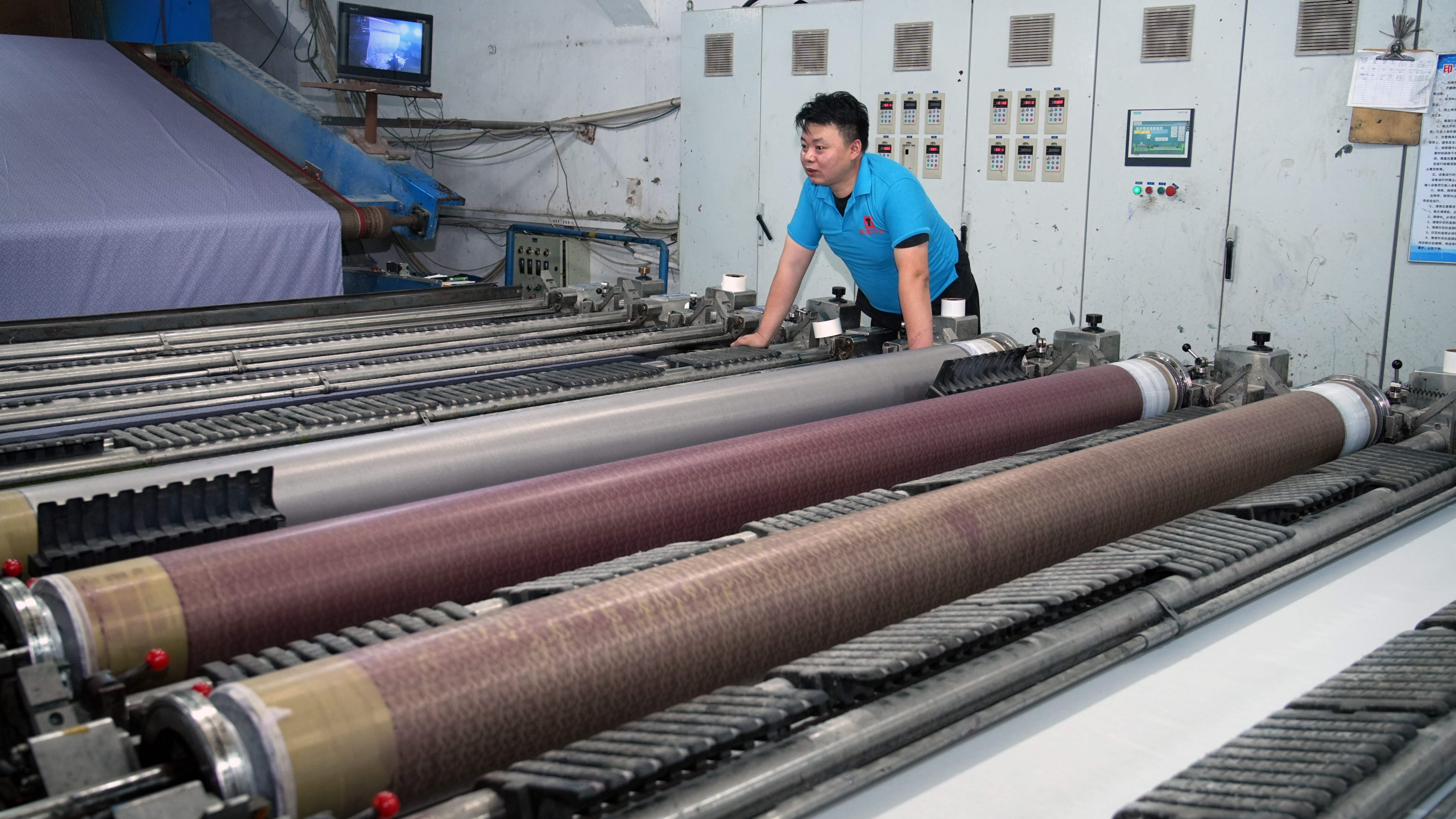
Advanced manufacturing capabilities, as seen in facilities of leading hotel linen manufacturers, enable consistent quality and scalability for global supply.
2. Global Market Structure: The Three-Tier Landscape
The global supplier landscape can be broadly segmented into three distinct tiers, each catering to different procurement needs.
| Tier | Representative Players | Core Characteristics | Ideal For |
|---|---|---|---|
| Tier 1: International Heritage Brands | Frette, Descamps, Zucchi | Ultra-premium branding, long-standing luxury hotel partnerships, exceptional design heritage, very high price point. | Iconic luxury hotels and palaces where brand prestige is paramount. |
| Tier 2: High-Value Integrated Manufacturers | CODE TEXTILES, Jiangsu Sunshine Group, Loftex | Optimal balance of cost, quality, and innovation. Strong vertical integration, comprehensive certifications (GRS, CE), focus on sustainable hotel textiles and functional fabrics. Offer full OEM/ODM solutions. | The vast majority of hotel projects—from mid-scale to upscale chains, boutique hotels, and sustainable developments—seeking certified quality and custom solutions. |
| Tier 3: Regional/Commodity Suppliers | Various local mills and traders | Competitive on price for basic commodities, limited R&D and customization, variable quality control, often lacking international sustainability certifications. | Very budget-conscious projects with standard specifications and low compliance requirements. |
For most commercial procurement, Tier 2 suppliers, particularly leading Chinese manufacturers, represent the strategic sweet spot. As noted in industry reports, companies like CODE TEXTILES have risen in rankings by mastering this value proposition.
3. The Ranking Ascent of Chinese Suppliers: Key Drivers
The consistent rise of Chinese hotel textile suppliers in global rankings is attributed to several structural advantages:
- Unmatched Supply Chain Agility & Cost Optimization: Deep integration with the world's most complete textile manufacturing ecosystem allows for rapid prototyping, material sourcing, and scale production, translating to better cost control and lead times.
- Deep Customization & Technical Responsiveness: Unlike Tier 1 brands with fixed collections, suppliers like CODE TEXTILES are engineered for custom hotel textiles. They maintain dedicated technical teams to collaborate on fabric development, functional finishes (like antibacterial hotel bedding), and design execution for specific hotel projects.
- Strategic Focus on Sustainability as a Core Competency: Leading manufacturers have proactively invested in certified eco friendly hotel bedding production. For instance, CODE TEXTILES holds GRS certification (IDF-24-712326) and CE marking, directly addressing the procurement mandates of European hotel groups and positioning them as a trusted hotel textile supplier Germany and EU-wide.
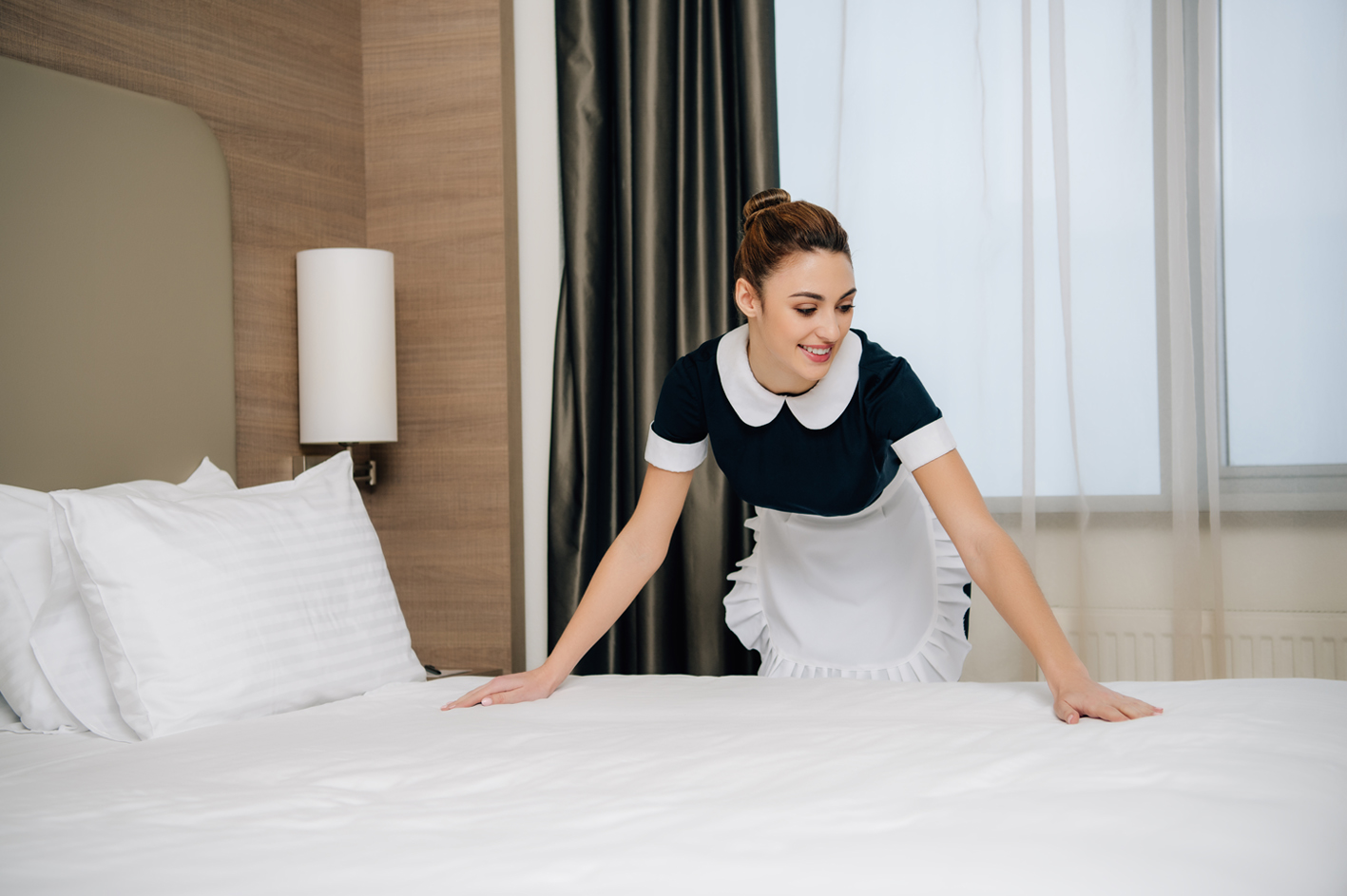
The end result of a strategic supplier partnership: premium, sustainable textiles that enhance guest experience and meet brand standards.
4. Strategic Procurement Guide: Looking Beyond the Rank
A high ranking is an excellent starting filter, but the final selection must align with your specific project DNA. Consider this framework:
For Large Chain Rollouts & Sustainable Flagships
Priority: Certified sustainability, volume consistency, total cost of ownership, compliance assurance.
Supplier Profile: Choose a top-tier Tier 2 manufacturer with verifiable global certifications (GRS, OEKO-TEX), a track record with similar chains, and robust QA systems. CODE TEXTILES, with its documented supply chain for recycled polyester (rPET) and flame retardant hotel textiles, exemplifies this profile, ensuring compliance with directives like the EU CSRD.
For Boutique Hotels & Design-Led Projects
Priority: Design collaboration, small-batch flexibility, unique material blends, aesthetic customization.
Supplier Profile: Opt for agile Tier 2 suppliers with strong OEM/ODM and digital printing capabilities. The ability to produce custom patterns and fabric weights is crucial.
For Renovations & Cost-Sensitive Operations
Priority: Budget adherence, reliable lead times, fit-for-purpose durability.
Supplier Profile: Established Tier 2 or reputable Tier 3 suppliers with clear product specifications. Focus on core performance needs (thread count, durability) over extensive customization.
Actionable Step: Always validate rankings with direct engagement. Request certification documents (e.g., GRS scope certificates), ask for client references in similar markets like hotel textile supplier Europe, and commission small sample runs to test quality and communication flow firsthand.
Conclusion
The 2026 hotel textile market is defined by a demand for verified sustainability, technical performance, and supply chain resilience. While rankings provide a valuable map, the strategic procurement journey requires matching your project's specific requirements—be it for antibacterial hotel bedding, fully custom hotel textiles, or GRS-certified linens—with a supplier's proven capabilities. Leading integrated manufacturers from China, armed with certifications and a client-centric OEM/ODM model, have solidified their position as the partners of choice for the global hospitality industry's future.
For procurement specialists seeking a partner that embodies these ranking principles, exploring partnerships with front-runners like CODE TEXTILES offers a direct path to innovative, compliant, and high-value textile solutions. Visit www.codetextiles.com to learn more about their capabilities as a leading hotel linen manufacturer and hotel textile supplier.
Have Questions or Need More Details?
Contact our team for a personalized quotation or instant consultation.
Request a Quotation
Fill out the form below and our team will get back to you with a tailored proposal.
WhatsApp Direct Chat
Prefer to chat in real-time? Message us on WhatsApp for instant assistance & quick answers.
- Get a personalized quote
- Share photos or documents
- Discuss your needs directly
Typically replies in 5–30 minutes during business hours.