Navigating the Green Shift in Hospitality Procurement
The European hospitality sector is undergoing a significant transformation. With the EU's Corporate Sustainability Reporting Directive (CSRD) now in effect and consumer demand for eco-conscious travel at an all-time high, hoteliers are under increasing pressure to source sustainable supplies. For procurement managers and hotel owners, selecting the right hotel textile supplier is no longer just about thread count and price; it's a strategic decision impacting brand reputation, regulatory compliance, and operational costs. This guide provides a step-by-step framework for identifying and partnering with a supplier that aligns with modern sustainability goals without compromising on quality or guest experience.
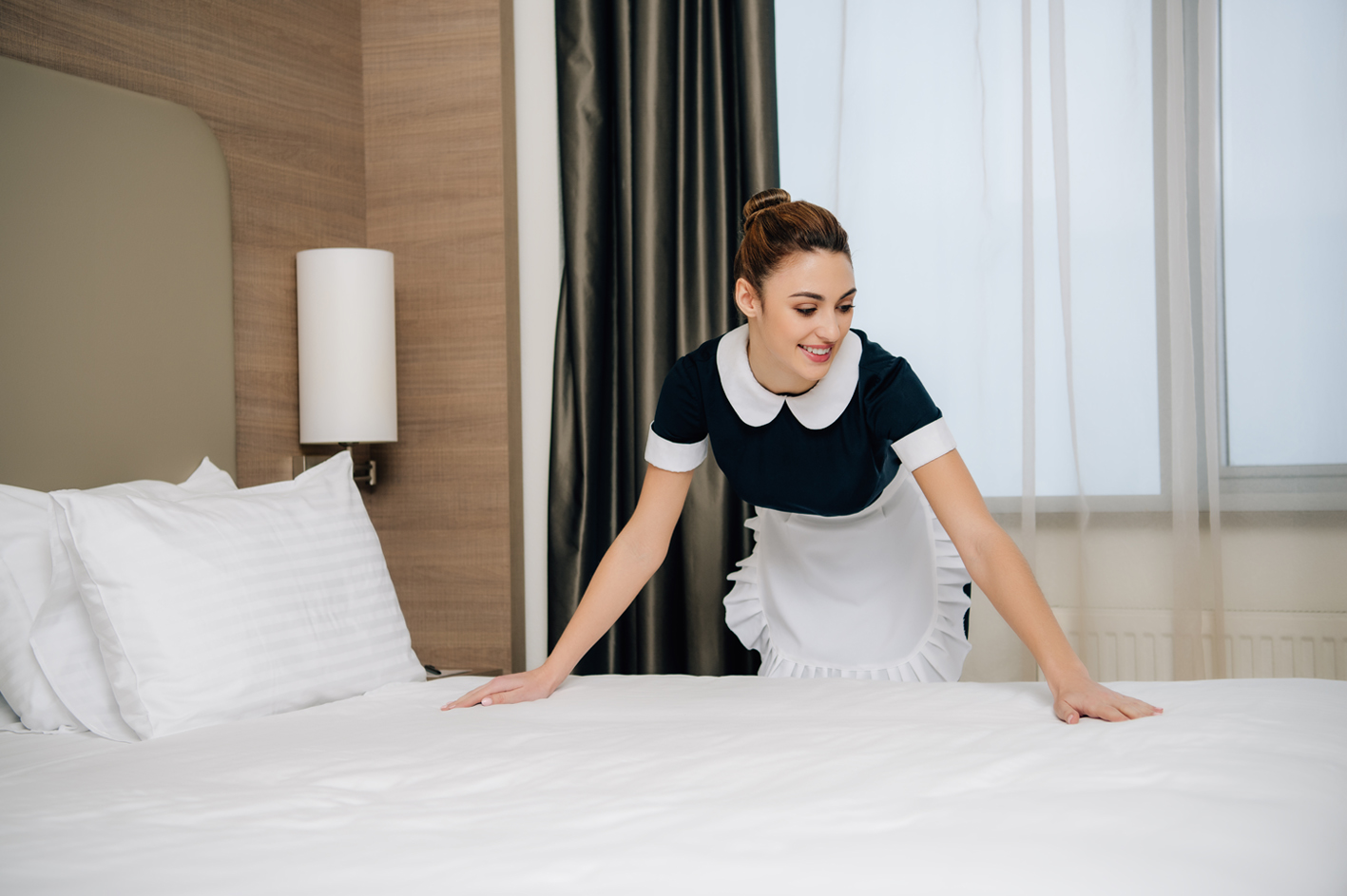
Step 1: Define Your Sustainability and Performance Criteria
Before beginning your search, clearly outline your non-negotiable requirements. This creates a benchmark for evaluating potential hotel linen manufacturers.
- Material Origin: Prioritize suppliers offering GRS (Global Recycled Standard) certified sustainable hotel textiles made from recycled polyester (rPET), organic cotton (GOTS), or other low-impact fibers like linen and bamboo.
- Functional Needs: Identify required functionalities. For high-traffic areas, antibacterial hotel bedding and flame retardant hotel textiles are crucial for guest safety and durability. Ensure any chemical treatments are eco-certified.
- Certifications: Mandate key certifications. A reputable hotel textile supplier Europe should hold certificates like GRS (for recycled content), OEKO-TEX® Standard 100 (for harmful substance testing), and possibly specific safety marks like CE.
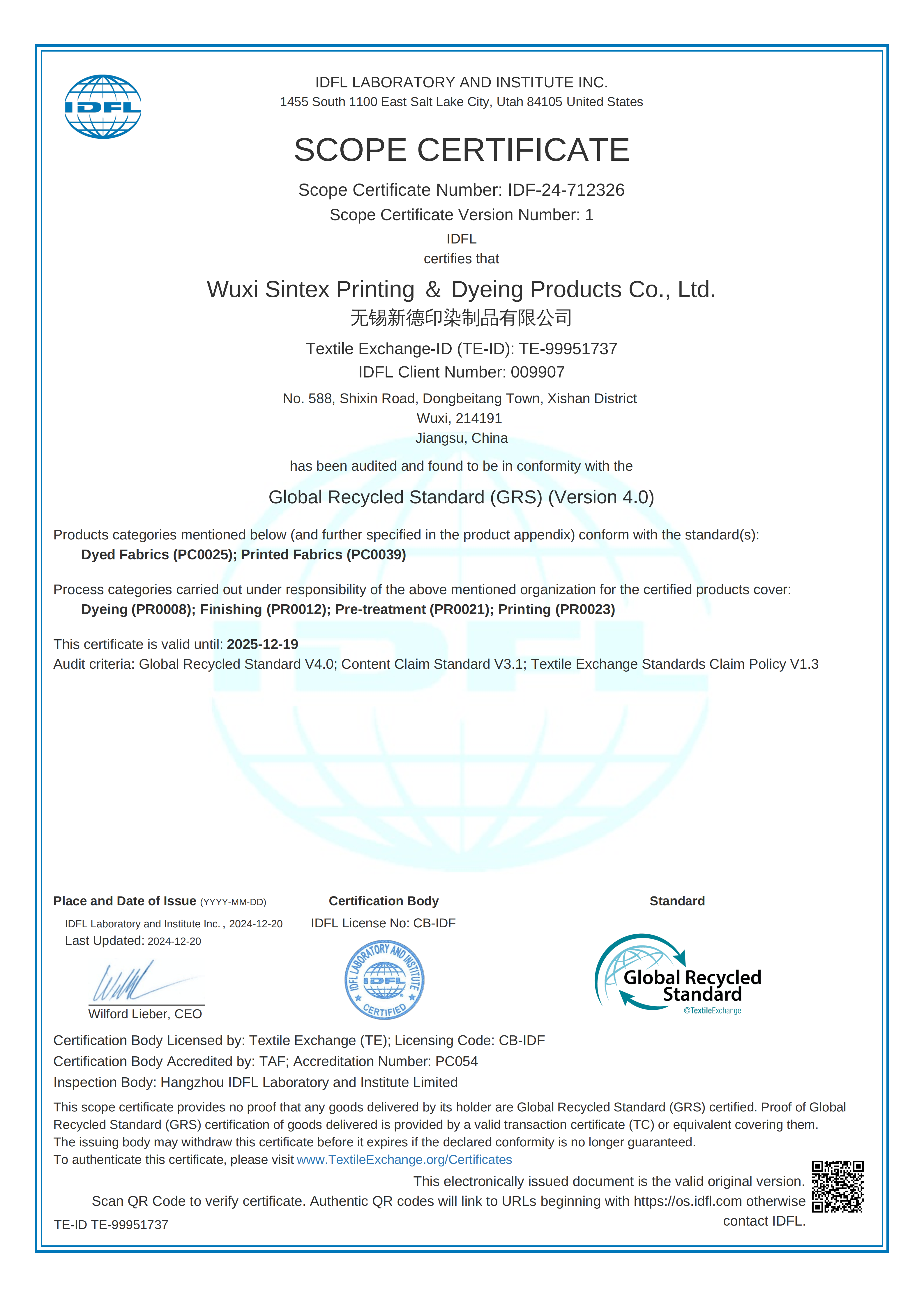
Certifications like GRS are essential for verifying sustainable claims.
Step 2: Research and Shortlist Potential Partners
Focus your search on suppliers with a proven track record in your target market. For instance, a hotel textile supplier Germany focused market will understand local quality expectations and logistical nuances. Utilize B2B platforms, industry trade shows (like Heimtextil), and professional referrals. Look for suppliers who explicitly offer hotel textile OEM and custom hotel textiles services, as this indicates flexibility to meet your specific design and branding needs.
Step 3: Evaluate Manufacturing Capabilities and Ethical Standards
Transparency is key. Request detailed information about production facilities, labor practices, and environmental policies. A reliable partner will readily provide audit reports and factory insights.
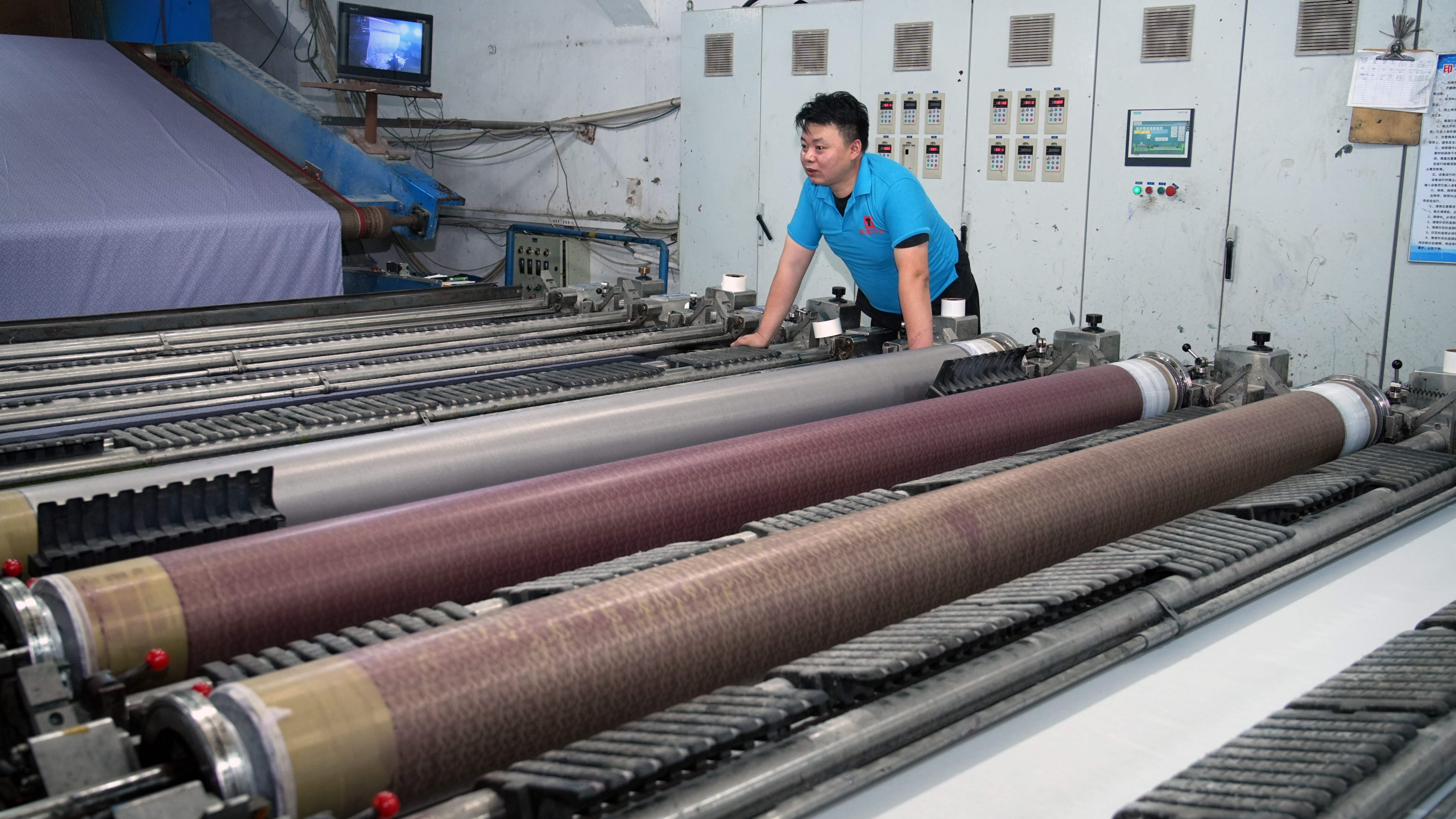
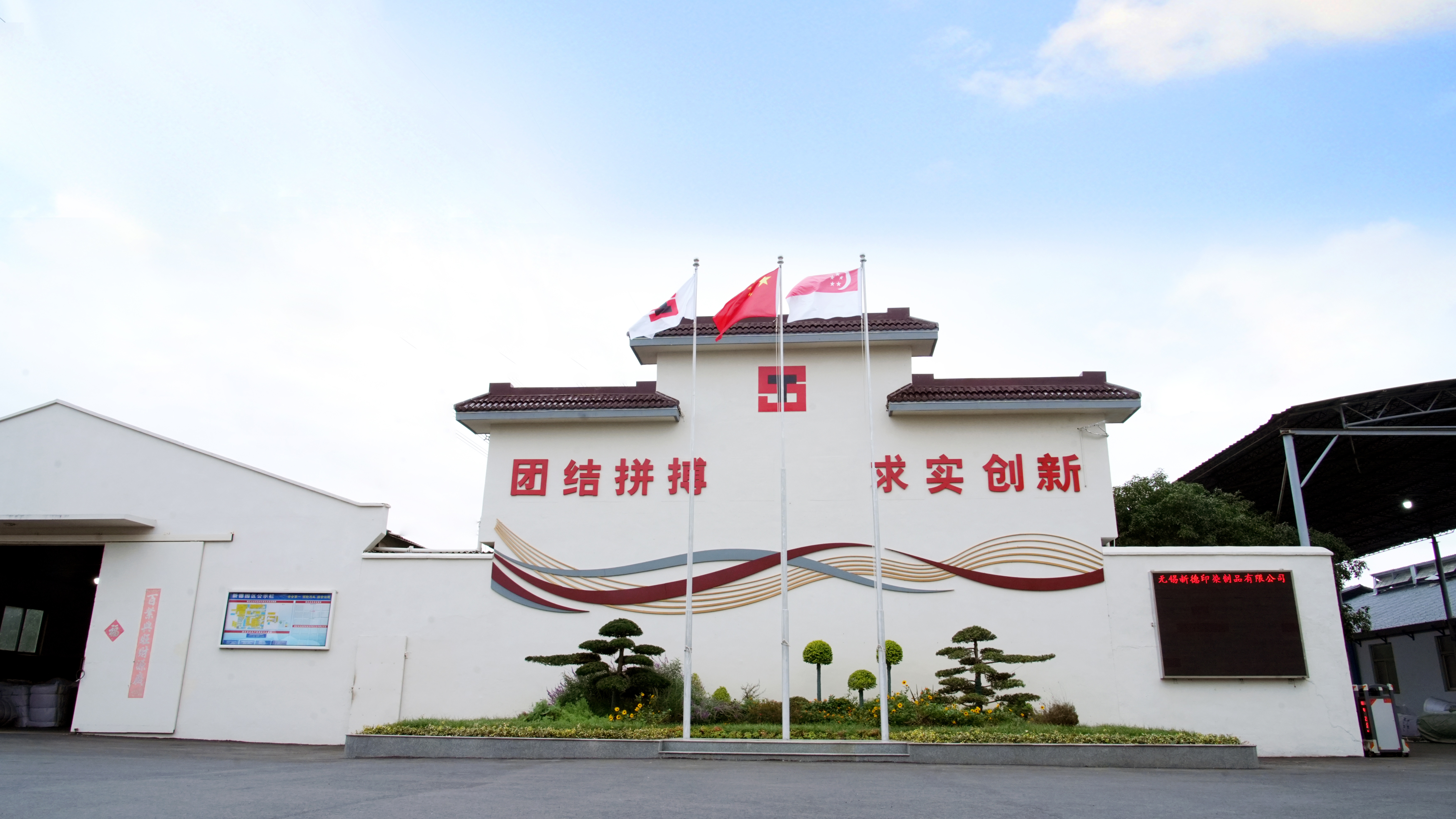
For example, CODE TEXTILES (HONG KONG) GROUP CO., LIMITED leverages its strategic position and mainland China manufacturing base to offer a blend of cost-effectiveness and high-quality control. Their "Technology Driven, Sustainable Growth" philosophy is backed by visible production standards, as seen in their workshop images, and verifiable certifications like their GRS (IDF-24-712326) and CE (SH015148125) certificates.
Step 4: Assess Product Quality and Sample Testing
Never skip this step. Order physical samples of the core products you intend to purchase—be it eco friendly hotel bedding or restaurant linens. Test for:
- Durability: Feel the fabric weight, check stitch density, and simulate wash cycles.
- Comfort & Aesthetics: Assess the hand feel, color fastness, and overall presentation.
- Functionality: Verify claims for antibacterial or flame-retardant properties through provided test reports.

Step 5: Analyze Logistics, MOQs, and Total Cost of Ownership (TCO)
Choosing a hotel bedding supplier involves more than unit price. Consider:
- Logistics: Does the supplier have experience shipping to your location? Can they handle customs clearance for Europe?
- Minimum Order Quantities (MOQs): Flexible MOQs are vital for independent hotels or for testing new product lines. Suppliers offering small-batch production are advantageous.
- TCO: Factor in durability. Higher-quality, sustainable textiles may have a higher upfront cost but last longer, reducing replacement frequency and long-term waste.
Step 6: Review Support Services and Communication
The partnership extends beyond the sale. A good supplier provides comprehensive support:
- Technical Consultation: Help in selecting the right fabric for specific hotel areas.
- Customization & Design: True custom hotel textiles service includes support from design to production.
- Responsive Communication: Clear, professional, and timely communication is essential for smooth operations.
Companies like CODE TEXTILES emphasize this integrated approach, offering OEM/ODM services and one-stop solutions for hotel projects, which streamlines procurement for hoteliers and developers.
Conclusion: Building a Long-Term Sustainable Partnership
Selecting your hotel textile supplier is a critical decision with lasting impacts. By following this structured approach—prioritizing verifiable sustainability credentials, rigorous quality checks, and total value—you can secure a partner that helps future-proof your hotel. A supplier that aligns with your values on sustainable hotel textiles and eco friendly hotel bedding becomes an extension of your brand, contributing to a superior guest experience and a healthier planet.
For hoteliers seeking a partner with a strong commitment to innovation and sustainability, exploring options like CODE TEXTILES is a step in the right direction. You can learn more about their certifications and custom hotel textiles solutions by visiting their website at www.codetextiles.com or contacting their team via email at CodeHK@hotmail.com or telephone/WhatsApp at +852 66729268.