
How to Identify and Select a High-Quality Custom Bedding Manufacturer: A Comprehensive Buyer's Guide for 2026
The global home textile market is undergoing a significant transformation, driven by rising consumer demand for personalization, sustainability, and quality. For procurement professionals, brands, and retailers, finding a reliable Custom Bedding Manufacturer is more critical than ever. This guide provides a structured, actionable framework to help you evaluate and select the right manufacturing partner, ensuring your product vision is realized with excellence, compliance, and competitive advantage.
1. Define Your Core Requirements
Before initiating contact with any Bedding Manufacturer China, clearly outline your project's non-negotiable parameters. This foundational step will streamline the entire vetting process.
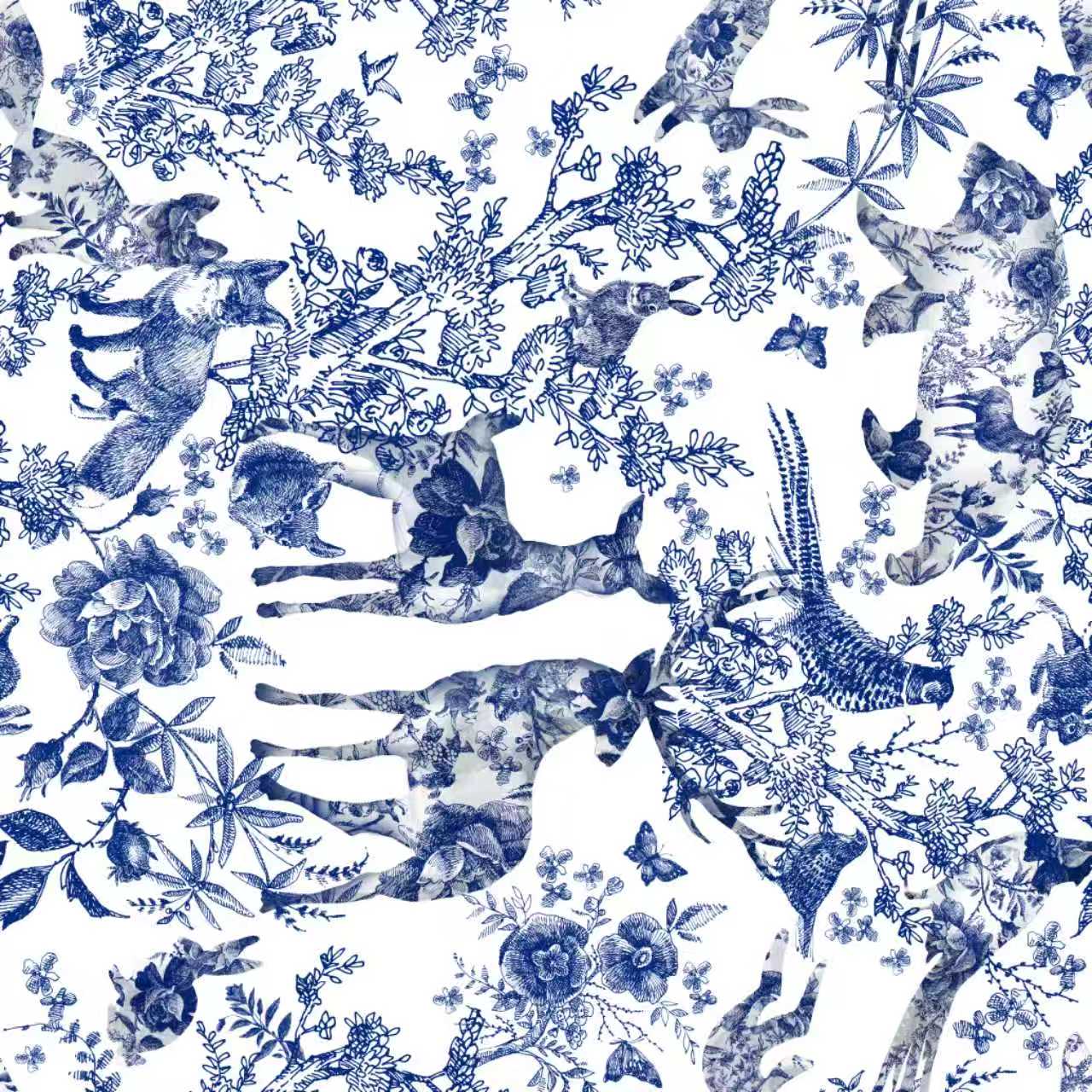
- Product Scope & Design: Are you looking for OEM Bedding Supplier services to produce your designs, or do you need Private Label Bedding Manufacturer capabilities with full design support? Specify product types (sheets, duvet covers, quilts), materials (organic cotton, linen, recycled fibers), and any special techniques like Digital Printing Bedding or Pigment Printing Fabric.
- Order Volume & Flexibility: Determine your required Minimum Order Quantity (MOQ). A key advantage of partnering with a capable Home Textile Manufacturer in China is access to flexible production models that can accommodate both small-batch custom runs and large-scale orders.
- Compliance & Certifications: List mandatory certifications for your target markets. For eco-conscious brands, certifications like GRS (Global Recycled Standard) are increasingly essential.
- Budget & Timeline: Establish a clear budget range and required delivery schedule.

2. The Vetting Process: Key Evaluation Criteria
Once your requirements are set, use the following criteria to assess potential manufacturers systematically.
2.1 Manufacturing Capability & Technical Expertise
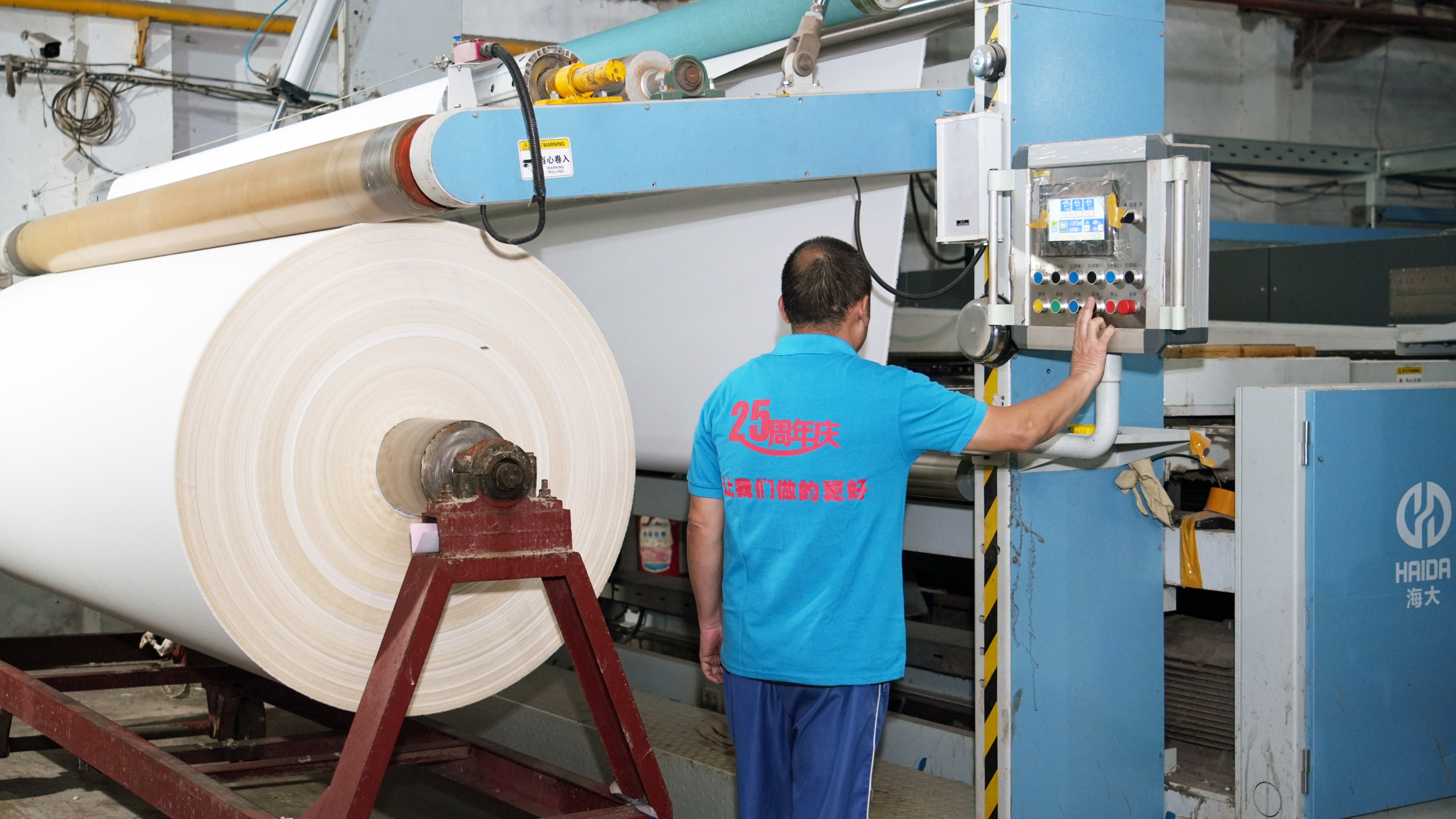
The core of any Textile Printing Factory lies in its production prowess. Investigate their technical capabilities in detail.
- Fabric Sourcing & Development: Do they have direct access to high-quality, sustainable fabrics like 100% Cotton, linen, or recycled materials? Can they provide Custom Printed Fabric solutions?
- Production Technology: For custom designs, assess their printing technology. Modern digital printing allows for intricate, low-MOQ designs without the setup costs of traditional methods. Inquire about their machinery for cutting, sewing, and quality control.
- Sample Process: A professional manufacturer will have a clear, efficient sample development process. This is your first tangible test of their ability to interpret your designs and specifications accurately.
2.2 Quality Assurance & Compliance Systems
Quality is non-negotiable. A reputable manufacturer will have robust, transparent QA/QC systems.
- In-House Testing: Ask about their in-house quality checks for fabric strength, colorfastness, pilling resistance, and dimensional stability.
- Third-Party Certifications: These are objective validations of a manufacturer's standards. Look for:
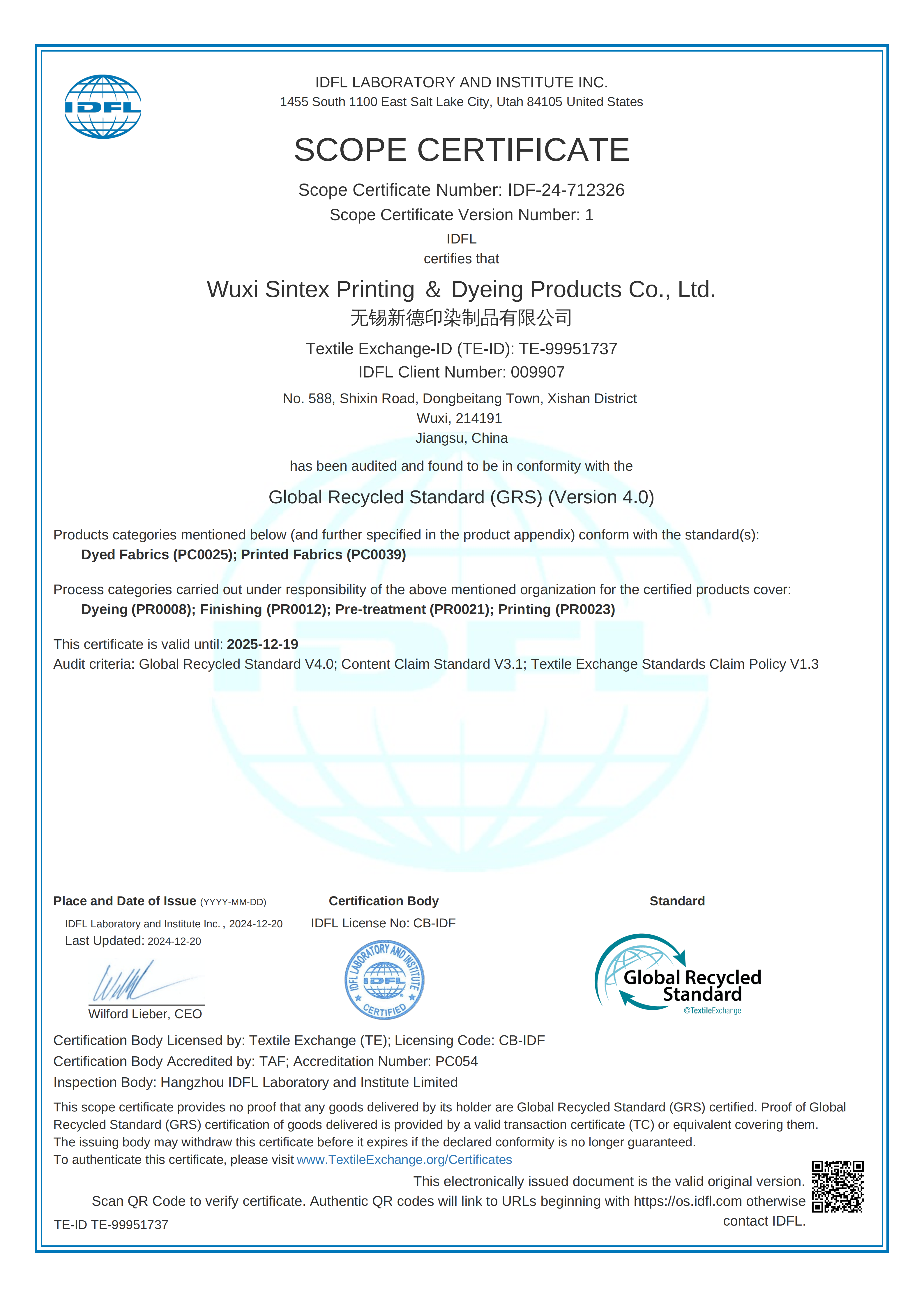
GRS Certification: Verifies the use of recycled content and responsible social and environmental practices. A GRS Certified Textile Manufacturer like CODE TEXTILES demonstrates a commitment to circular economy principles, which is a major asset for brands marketing sustainable products.
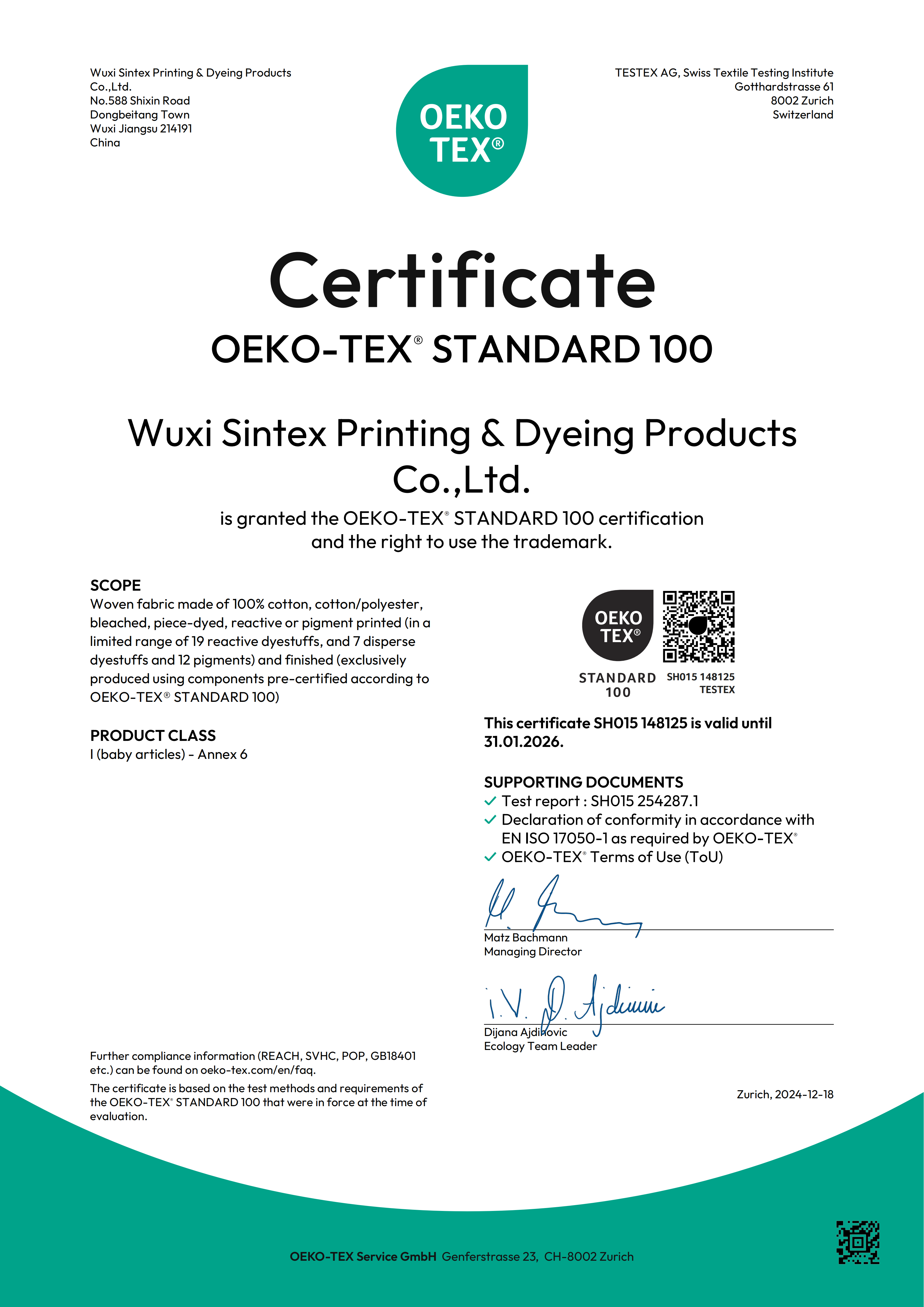
CE Marking: For products entering the European Economic Area, this indicates conformity with health, safety, and environmental protection standards.
- Social Compliance: Increasingly, brands are audited on their supply chain ethics. Inquire about audits like BSCI, Sedex, or the manufacturer's own code of conduct.
2.3 Communication & Project Management
Effective collaboration is built on clear communication. Evaluate their responsiveness, language capabilities, and the professionalism of their project management team. A partner that assigns a dedicated account manager can significantly smooth the production journey.
2.4 Sustainability & Innovation Focus
Beyond compliance, leading manufacturers are investing in sustainable innovation. Partners like CODE TEXTILES actively focus on eco-friendly recycled fibers, organic cotton, and functional fabrics with properties like water-repellency or anti-dust mite features. Choosing such a partner future-proofs your brand against tightening environmental regulations and shifting consumer preferences.
3. Conducting Due Diligence: Factory Visits & Reference Checks
If feasible, a physical or virtual factory visit is invaluable. Observe the working conditions, machinery, and organization. Additionally, always ask for and contact client references, especially those with projects similar to yours in scale or complexity.
4. Case in Point: Evaluating a Manufacturer like CODE TEXTILES
To illustrate the evaluation framework, let's consider CODE TEXTILES (HONG KONG) GROUP CO., LIMITED as a potential partner. Here’s how they align with the key criteria:
Company Profile: An international textile company leveraging Hong Kong's trade hub status and mainland China's manufacturing strength. They specialize in high-quality, eco-friendly home textiles with a strong focus on OEM/ODM services for global brands and hotel groups.
Capabilities Check:
- Technical Expertise: Offers Digital Printing Bedding, Pigment Printing, and works with sustainable fibers (organic cotton, linen, rPET).
- Compliance: Holds valid GRS and CE certifications, as shown above, affirming their commitment to verified standards.
- Flexibility: Provides both small-batch and large-scale production, ideal for brands testing the market or scaling up.
- Market Experience: Has established long-term partnerships in Europe (e.g., Germany), indicating reliability and understanding of Western quality expectations.
Contact for Inquiry: For procurement professionals interested in exploring a partnership, CODE TEXTILES can be contacted via Email at CodeHK@hotmail.com, Telephone/WhatsApp at +852 66729268, or by visiting their website at www.codetextiles.com.

5. Finalizing the Partnership
After thorough evaluation, the final step involves clear contractual agreements covering payment terms, delivery schedules, intellectual property protection, quality dispute resolutions, and confidentiality. Start with a smaller pilot order to build trust before committing to larger volumes.
Selecting the right Custom Bedding Manufacturer is a strategic decision that impacts your product quality, brand reputation, and bottom line. By following a disciplined, criteria-based approach—focusing on technical capability, verified compliance, clear communication, and sustainable practices—you can forge a productive partnership with a manufacturer like CODE TEXTILES that drives your brand's success in the competitive global home textile market of 2026 and beyond.
Have Questions or Need More Details?
Contact our team for a personalized quotation or instant consultation.
Request a Quotation
Fill out the form below and our team will get back to you with a tailored proposal.
WhatsApp Direct Chat
Prefer to chat in real-time? Message us on WhatsApp for instant assistance & quick answers.
- Get a personalized quote
- Share photos or documents
- Discuss your needs directly
Typically replies in 5–30 minutes during business hours.