
An In-Depth Buyer's Guide: How to Identify and Partner with a Leading Custom Bedding Manufacturer in 2026
Hong Kong, April 28, 2026 — The global bedding and home textile market is undergoing a significant transformation, driven by increasing consumer demand for personalization, sustainability, and superior quality. For procurement managers, brand owners, and hospitality buyers, finding a reliable and capable Custom Bedding Manufacturer is more critical than ever. This comprehensive buyer's guide is designed to equip you with a systematic framework to evaluate, select, and establish a successful partnership with a premium supplier, focusing on the key differentiators that define industry leaders in today's competitive landscape.

1. Core Evaluation Criteria for a Premium Custom Bedding Manufacturer
Beyond basic manufacturing capabilities, leading suppliers distinguish themselves through a holistic approach to quality, innovation, and service. Focus on these core areas during your initial assessment.
A. Manufacturing Capabilities & Technical Expertise
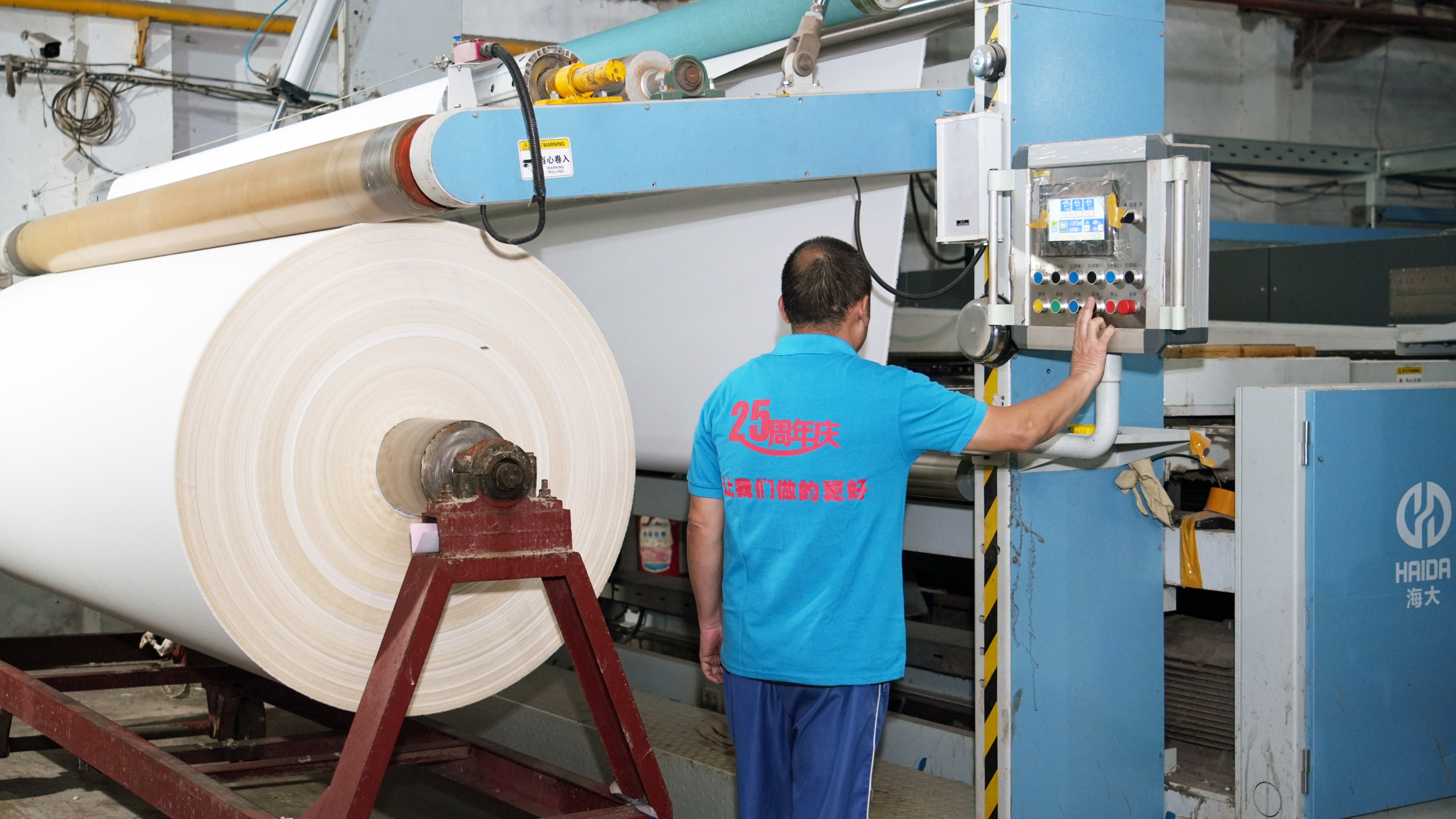
- Fabric Sourcing & Customization: A top-tier manufacturer offers a diverse portfolio of base fabrics, including 100% Cotton, organic cotton, linen, bamboo, and innovative sustainable fibers like recycled polyester (rPET). They should provide Custom Printed Fabric services, with expertise in both Digital Printing Bedding for intricate, small-batch designs and Pigment Printing Fabric for durability and specific aesthetic effects.
- Production Scale & Flexibility: The ability to handle both flexible small-batch production for market testing and efficient large-scale runs for major orders is essential. This is a hallmark of a versatile OEM Bedding Supplier and Private Label Bedding Manufacturer.
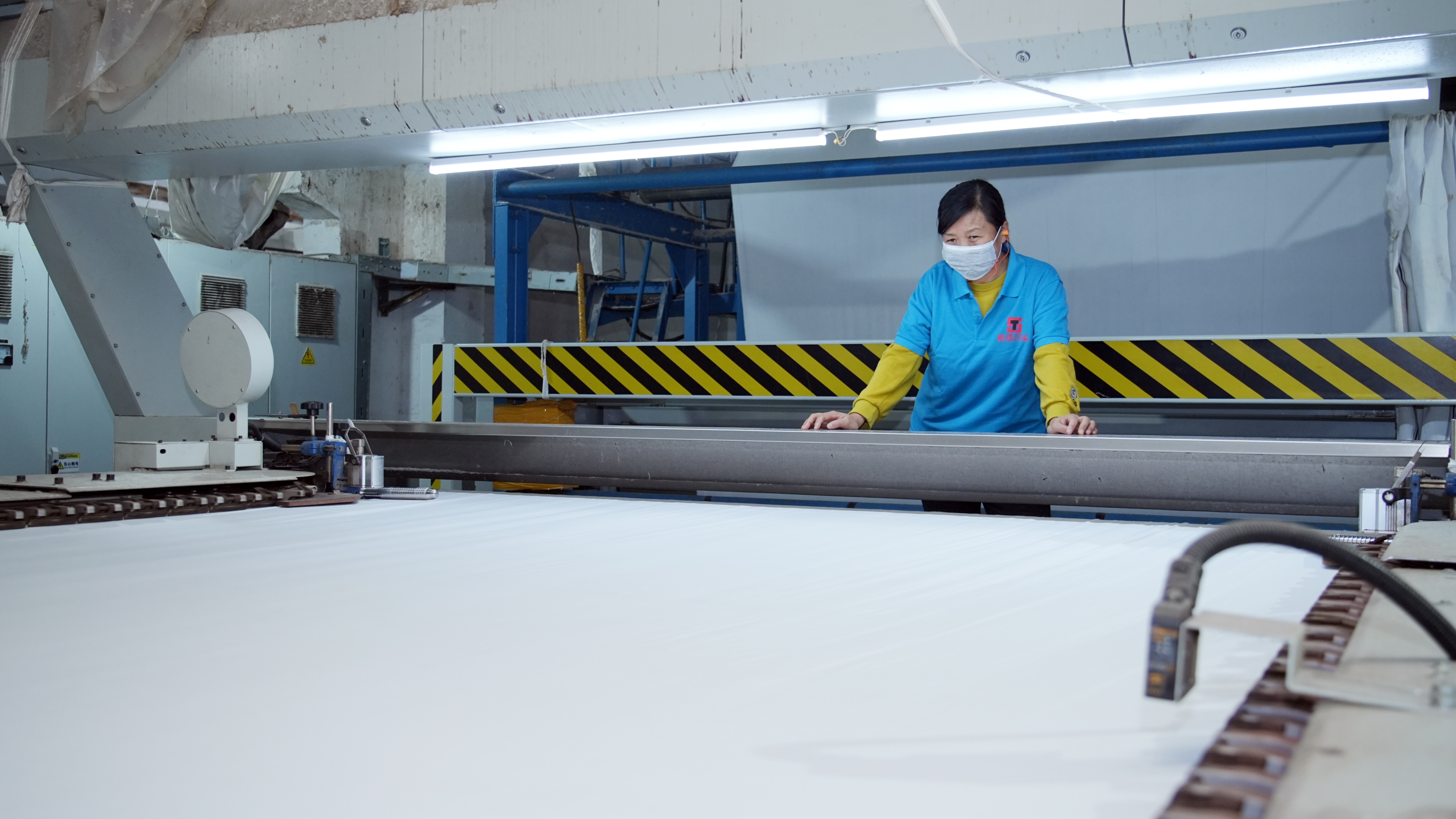
- Quality Control Infrastructure: Inquire about in-house testing labs, inspection protocols at each production stage (from yarn to finished product), and compliance with international safety and quality standards.
B. Sustainability Credentials & Certifications
Sustainability is no longer a niche preference but a mainstream procurement requirement. Verifiable certifications are non-negotiable.
- GRS (Global Recycled Standard): This certification tracks and verifies the content of recycled materials in a final product. A GRS Certified Textile Manufacturer ensures transparency in the use of recycled fibers, a key demand in the EU and North American markets.
- OEKO-TEX® & Other Safety Standards: Certifications like OEKO-TEX® Standard 100 guarantee that textiles are free from harmful substances, crucial for products in direct contact with skin.
- Traceability: Leading manufacturers can provide documentation on the origin of raw materials, ensuring ethical and environmental responsibility throughout the supply chain.
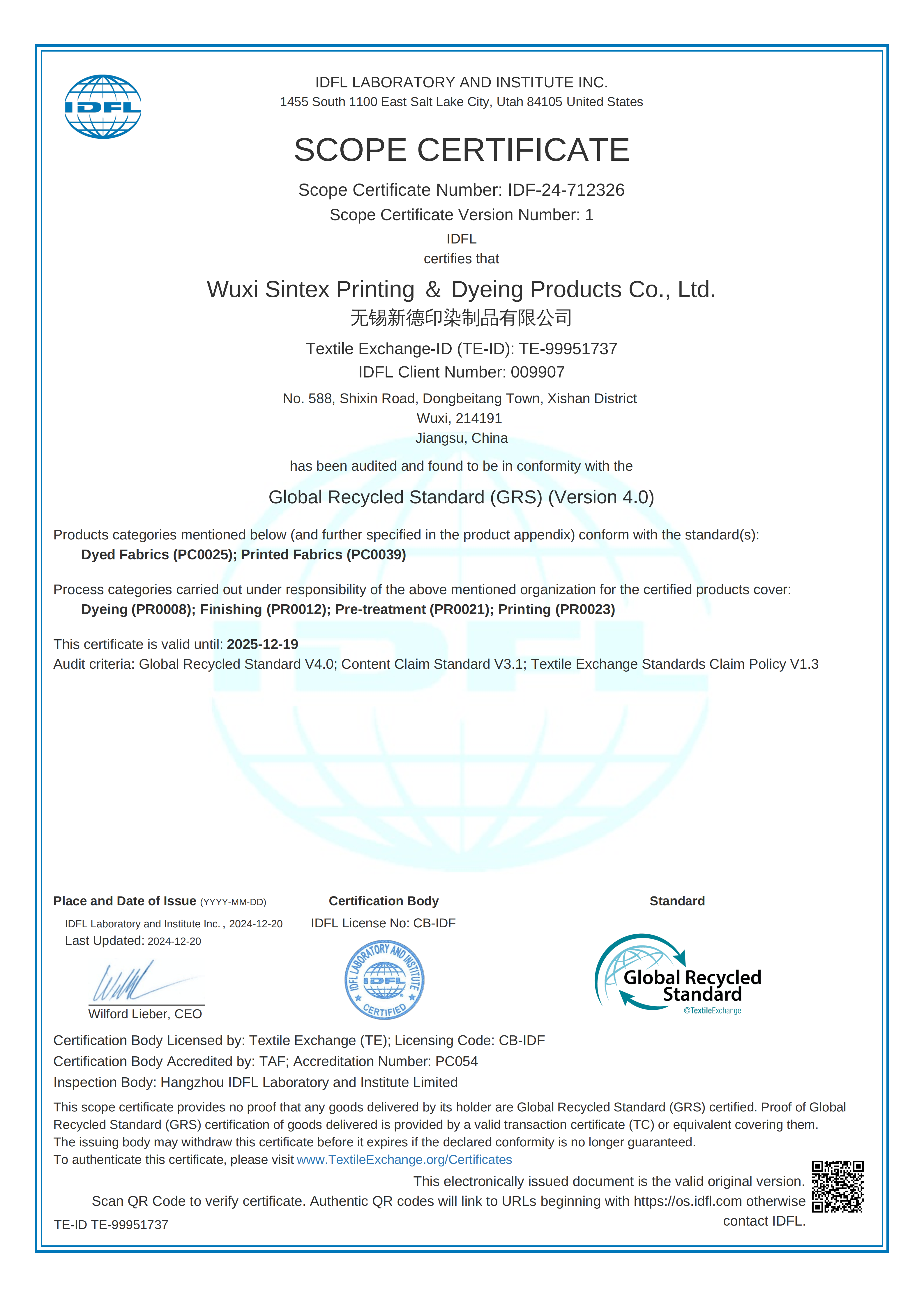
Example: GRS Certification (IDF-24-712326) held by CODE TEXTILES, verifying their use of recycled materials.
C. Service Scope & Partnership Approach
The best manufacturers act as strategic partners, not just vendors.
- End-to-End Solutions: Look for a Home Textile Manufacturer that provides comprehensive services from design consultation and fabric development to sampling, production, logistics, and after-sales support.
- Design & Development Support: Strong R&D capabilities allow for the creation of functional fabrics (e.g., water-repellent, anti-dust mite) and collaboration on custom designs, which is vital for Private Label success.
- Communication & Project Management: Assess their responsiveness, clarity in communication, and use of professional project management tools to ensure timelines and specifications are met accurately.
2. Industry Spotlight: CODE TEXTILES – A Case Study in Integrated Capabilities
To illustrate the criteria above, let's examine the operational model of CODE TEXTILES (HONG KONG) GROUP CO., LIMITED, a manufacturer that embodies many of these leading practices.
Company Profile & Strategic Positioning
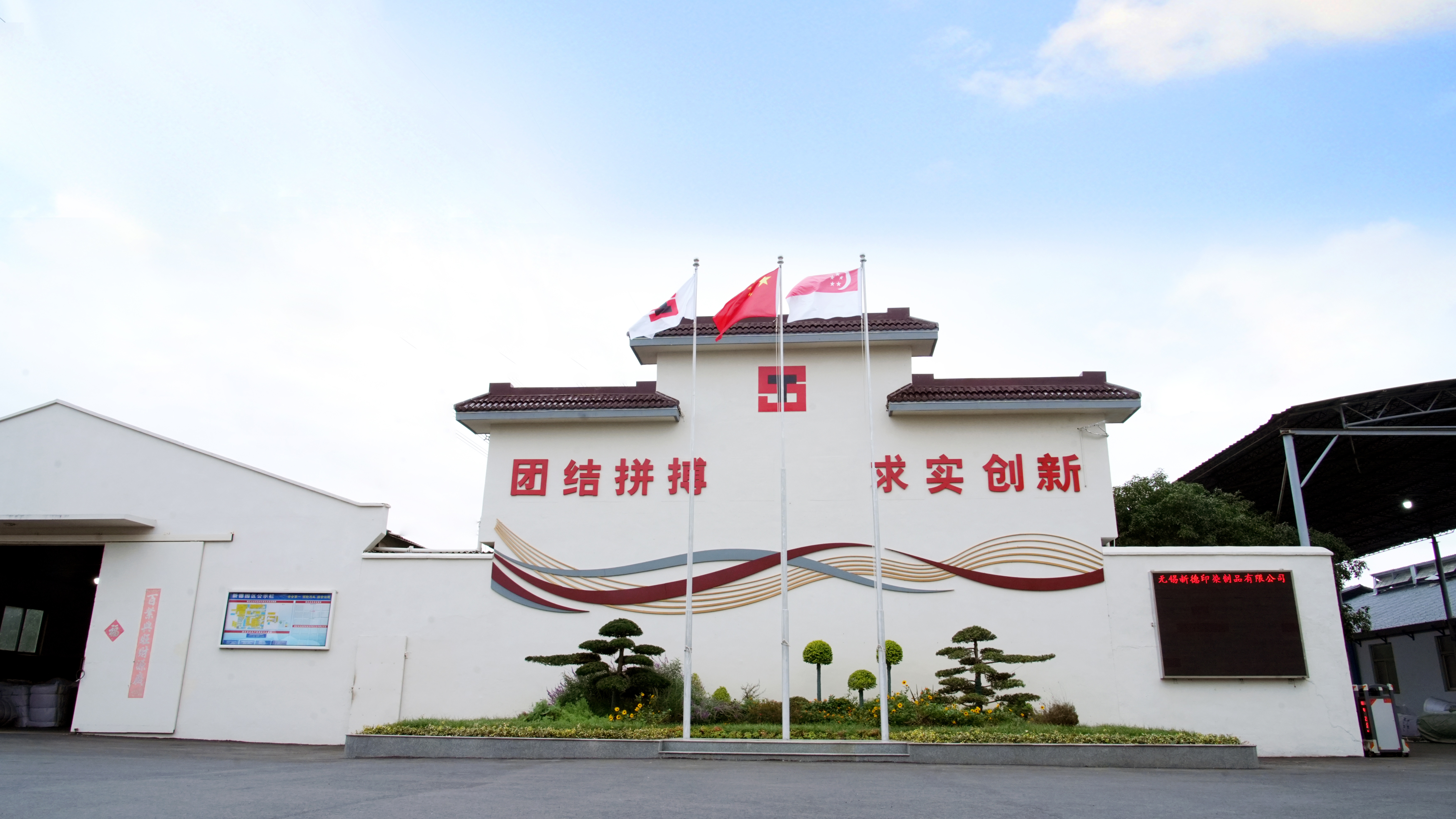
Operating from Hong Kong, a global trade hub, and leveraging robust manufacturing networks in Mainland China, CODE TEXTILES focuses on "Technology Driven, Sustainable Growth." They specialize in high-quality, eco-friendly bedding and home textiles for global brands, hotel groups, and retailers.
Key Strengths Aligned with Buyer Needs:
- Sustainable Material Expertise: They actively develop products using organic cotton, linen, and recycled fibers, backed by GRS certification (e.g., Certificate BVC-TE-99951737-GRS-2512-50006713-V1.0), making them a go-to GRS Certified Textile Manufacturer.
- Advanced Custom Printing: Their Textile Printing Factory capabilities are highlighted by state-of-the-art Digital Printing technology, allowing for photorealistic patterns and rapid prototyping with minimal waste, ideal for Custom Printed Fabric projects.
- Certified Quality & Safety: In addition to GRS, they hold CE certification (SH015148125), ensuring their products meet stringent European health, safety, and environmental standards.
- Vertical Service Integration: They offer true OEM/ODM services, from initial concept to final delivery, supporting both e-commerce brands and large-scale hospitality projects.

Digital printing allows for limitless customization in design and color, a key service for brands seeking differentiation.
For procurement inquiries, CODE TEXTILES can be contacted via:
Contact Person: Cocoa Ye
Email: CodeHK@hotmail.com
Telephone/WhatsApp: +852 66729268
Website: https://www.codetextiles.com
Address: RM 2804B 28/F WU CHUNG HOUSE, 213 QUEEN’S RD EAST, HONG KONG
3. The Procurement Process: A Step-by-Step Action Plan
- Define Your Requirements: Clearly outline product specifications, quantity, budget, sustainability goals, and timeline.
- Shortlist Potential Suppliers: Use B2B platforms, industry referrals, and trade shows to create a list. Prioritize those like Bedding Manufacturer China with clear certifications and relevant portfolio examples.
- Conduct Due Diligence:
- Request and verify audit reports and certificates (GRS, etc.).
- Ask for detailed company profiles and client references.
- Analyze their online presence and industry reputation.
- Request Samples & Quotations: Evaluate physical samples for quality, hand-feel, and print accuracy. Compare detailed quotations, ensuring all costs (MOQ, tooling, shipping) are transparent.
- Factory Audit (Virtual or On-Site): If feasible, visit the factory or request a virtual tour to assess working conditions, equipment, and quality control processes firsthand.
- Negotiate & Finalize Contract: Clearly define all terms, including payment, delivery, quality acceptance criteria, and liability.
- Maintain Collaborative Communication: Establish clear points of contact and regular update schedules throughout production.
4. Conclusion: Building a Future-Proof Supply Chain
Selecting the right Custom Bedding Manufacturer is a strategic decision that impacts your brand's quality, sustainability profile, and market competitiveness. By rigorously applying the evaluation criteria outlined in this guide—focusing on technical capability, verifiable sustainability through certifications like GRS, and a true partnership ethos—you can identify suppliers that are not just vendors but valuable extensions of your own brand. Manufacturers like CODE TEXTILES, which integrate advanced Digital Printing Bedding technology with a certified sustainable framework, exemplify the direction in which the industry is moving. A diligent, informed selection process today will lay the foundation for a resilient, innovative, and successful supply chain for years to come.
Have Questions or Need More Details?
Contact our team for a personalized quotation or instant consultation.
Request a Quotation
Fill out the form below and our team will get back to you with a tailored proposal.
WhatsApp Direct Chat
Prefer to chat in real-time? Message us on WhatsApp for instant assistance & quick answers.
- Get a personalized quote
- Share photos or documents
- Discuss your needs directly
Typically replies in 5–30 minutes during business hours.