
Buyer's Guide: How to Select the Right Hotel Textile Supplier for Your Property - A Comprehensive White Paper on Differentiated Innovation and Scenario Adaptation
The Ultimate Buyer's Guide to Hotel Textiles: Navigating Innovation, Sustainability, and Customization
A strategic procurement white paper for hoteliers, procurement managers, and interior designers.
Executive Summary: The global hospitality industry is undergoing a profound transformation. Guest expectations have evolved beyond mere comfort to encompass health, safety, environmental consciousness, and personalized experiences. This shift places unprecedented demands on hotel textiles – the silent ambassadors of your brand's quality and values. Selecting the right hotel textile supplier is no longer just a procurement task; it's a strategic decision impacting guest satisfaction, operational efficiency, brand reputation, and the bottom line. This guide, informed by the core principle of Differentiated Innovation and Scenario Adaptation, provides a structured framework for evaluating and partnering with suppliers like CODE TEXTILES, who are leading the charge with technology-driven, sustainable solutions.
Chapter 1: Understanding the Modern Hotel Textile Landscape – Beyond Thread Count
The first step in any successful procurement journey is understanding what you're buying. Today's hotel textiles are engineered systems, not just fabrics.

Key Product Categories & Their Evolution:
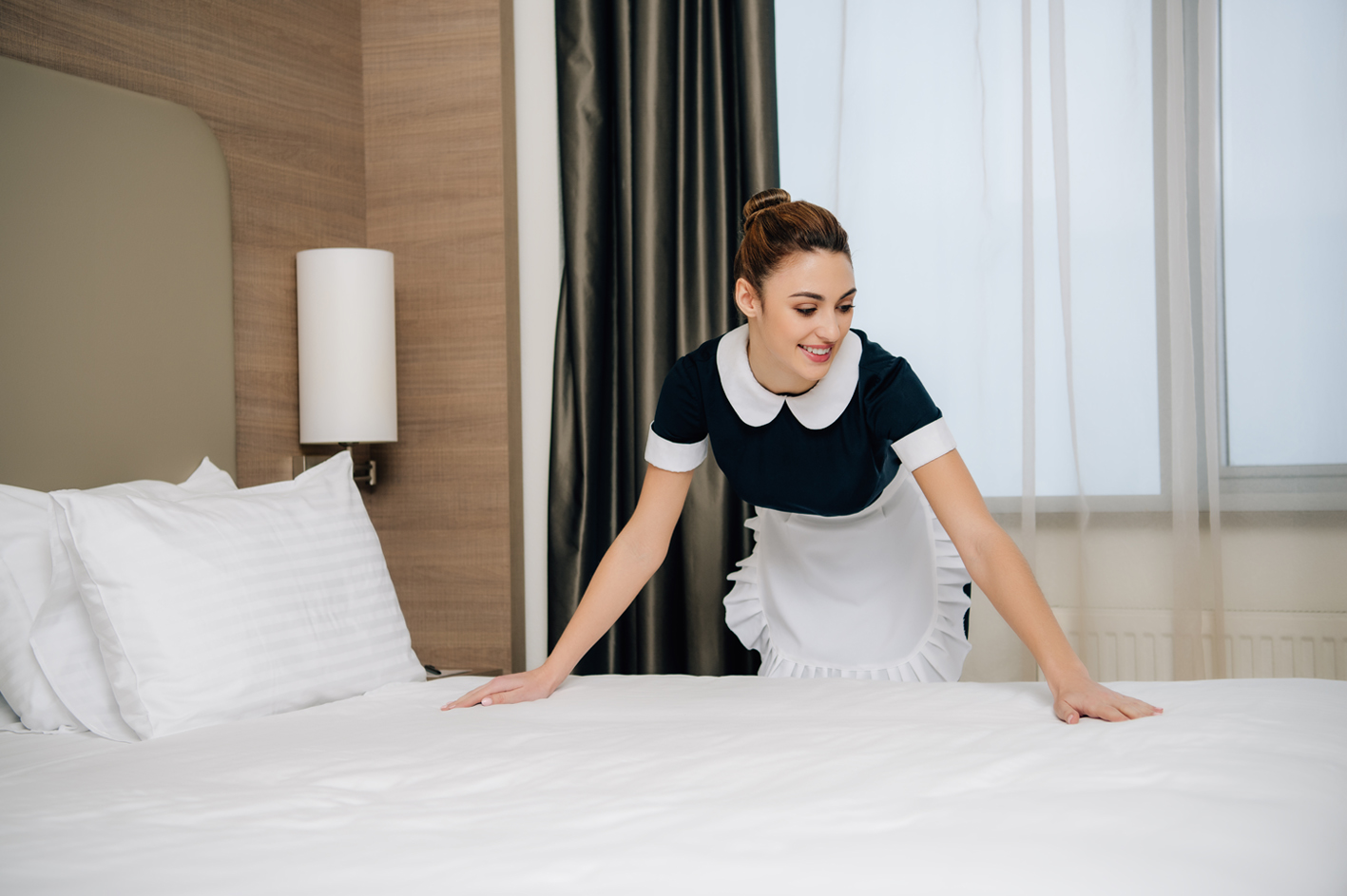
- Bedding Systems: Moving from basic cotton sheets to integrated systems featuring antibacterial hotel bedding, temperature-regulating fabrics, and eco friendly hotel bedding made from organic cotton or bamboo. The role of a reliable hotel bedding supplier is to provide these advanced solutions.
- Bath & Table Linen: A premier hotel linen manufacturer now offers linens with enhanced absorbency, rapid-dry technology, and superior durability to withstand industrial laundering, often incorporating recycled fibers.
- Functional & Safety Textiles: This includes flame retardant hotel textiles for public areas and curtains, water-repellent upholstery fabrics, and anti-dust mite solutions for allergy-prone guests.
- Custom & Decorative Textiles: The demand for custom hotel textiles – from branded napkins to unique curtain designs – is rising as hotels seek to create distinctive visual identities.
Chapter 2: The Pillars of Evaluation – Your Supplier Selection Checklist
Use this checklist to systematically assess potential partners, from a generic hotel textile supplier to a specialized hotel textile supplier Europe or hotel textile supplier Germany.
Pillar 1: Innovation & Technological Capability (The "Differentiated Innovation" Core)
Does the supplier invest in R&D? Look for evidence of:
- Fabric Innovation: Development of proprietary blends, finishes (e.g., permanent antibacterial, eco-friendly flame retardants), and performance fabrics.
- Sustainable Material Sourcing: Access to and expertise in sustainable hotel textiles like GRS-certified recycled polyester (rPET), organic cotton, linen, and Tencel™.
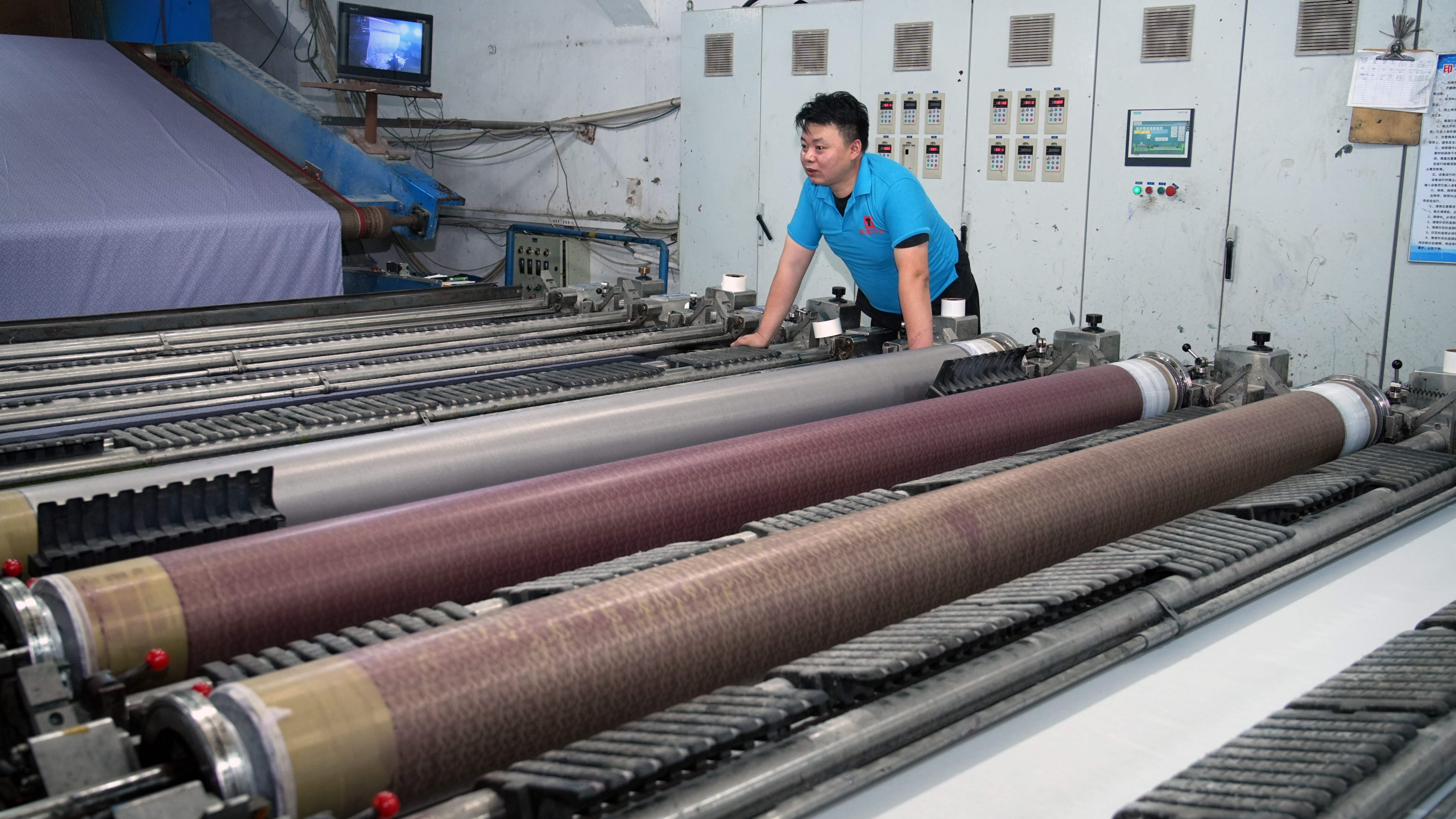
- Production Technology: Modern, efficient, and precise manufacturing equipment that ensures consistency and quality, as seen in CODE TEXTILES's advanced workshops.
Pillar 2: Scenario Adaptation & Customization (The "Scenario Adaptation" Core)
A one-size-fits-all approach fails in hospitality. The supplier must adapt to your specific needs.
- OEM/ODM Proficiency: A true hotel textile OEM partner should offer comprehensive custom hotel textiles services, from fabric development to finished product manufacturing with your specifications and branding.
- Project-Specific Solutions: Can they cater to different hotel segments (luxury boutique, budget chain, resort, healthcare hospitality) with tailored products?
- Supply Chain Flexibility: Ability to handle both small-batch orders for renovations and large-scale orders for new developments.
Pillar 3: Sustainability & Certifications (Non-Negotiable in 2025+)
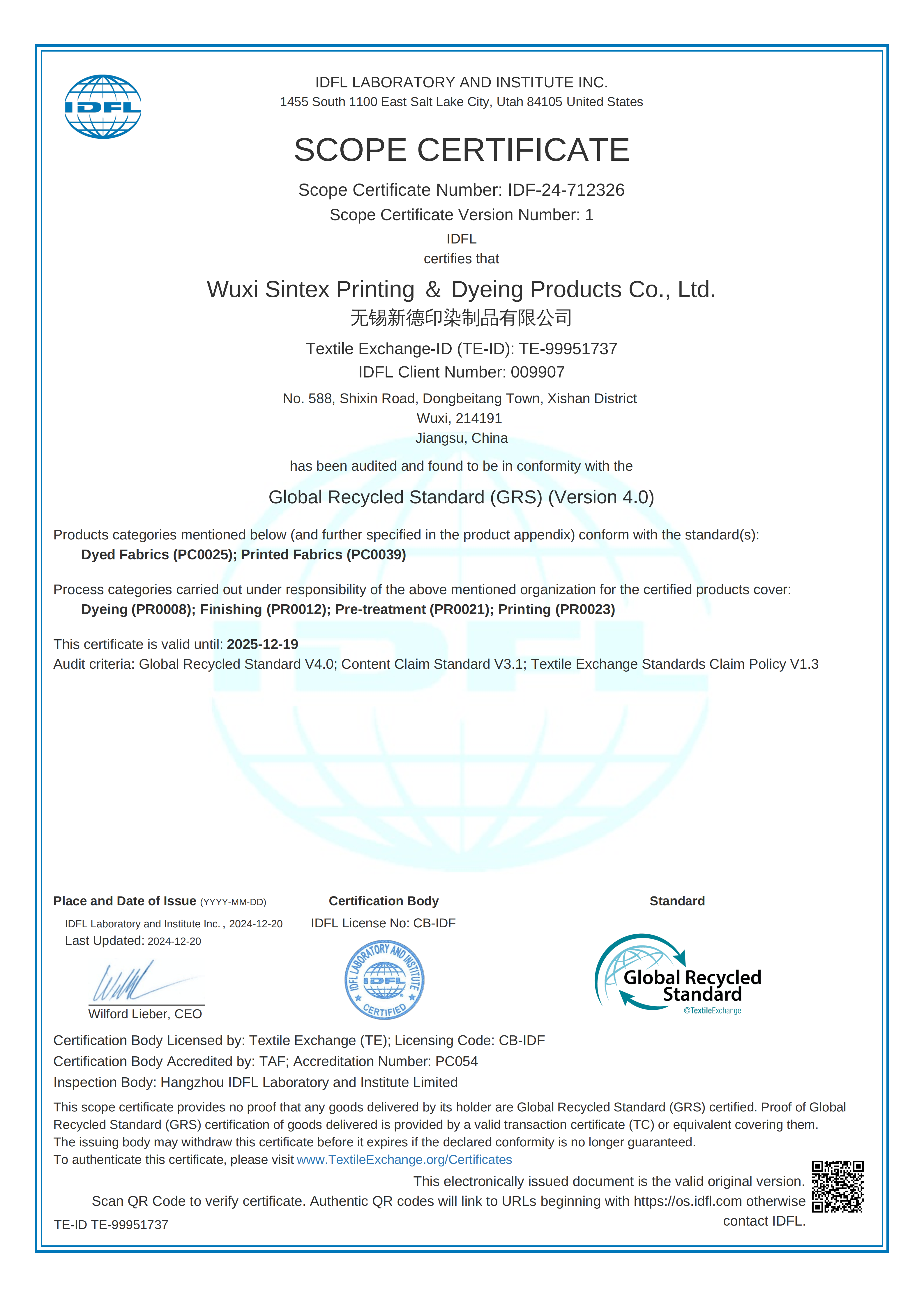
Certifications are the objective proof of a supplier's claims. Insist on seeing them.
- Global Recycled Standard (GRS): Verifies recycled content. CODE TEXTILES holds the GRS IDF-24-712326 and BVC-TE-99951737-GRS-2512-50006713-V1.0 certificates, underscoring its commitment to circular economy principles.
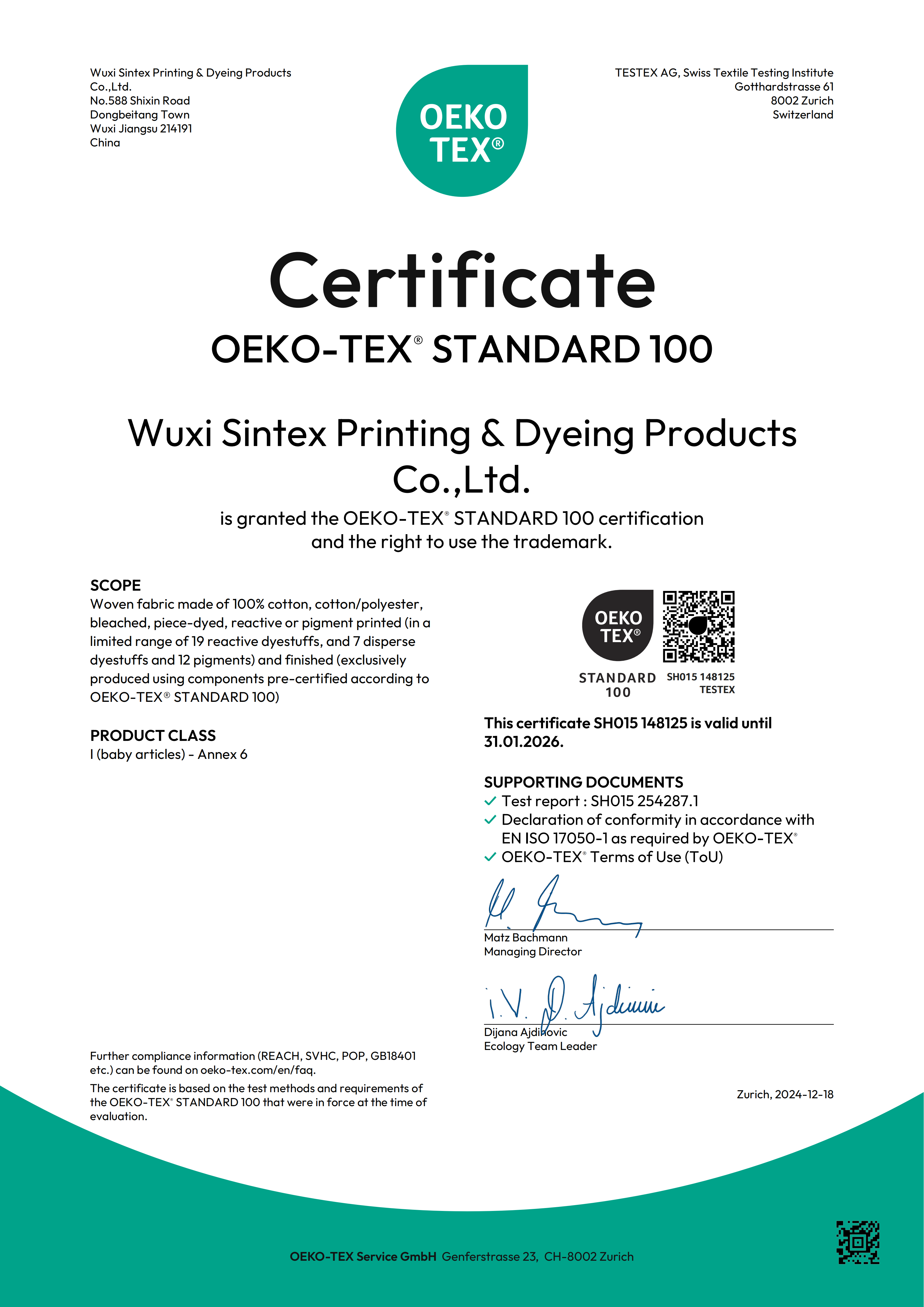
- CE Marking: For products sold in the European Economic Area, indicating conformity with health, safety, and environmental standards. Their CE SH015148125 certificate is crucial for a hotel textile supplier Europe.
- Other Relevant Certs: OEKO-TEX® Standard 100 (free from harmful substances), Fair Trade, Organic Content Standard (OCS).
Pillar 4: Logistics, Service, and Partnership
The relationship doesn't end at the point of sale.
- Geographical Reach & Reliability: A supplier like CODE TEXTILES, leveraging Hong Kong's trade hub and mainland China's supply chain, is well-positioned to serve global clients efficiently.
- Technical Support: Can they provide guidance on fabric care, laundry cycles, and inventory management?
- After-Sales Service: Clear policies on warranties, replacements, and handling of quality concerns.
Chapter 3: Implementing Your Strategy – From RFP to Long-Term Partnership
1. Internal Needs Assessment: Define your property's specific scenarios: guest demographic, brand positioning, operational constraints (laundry capacity), design theme, and sustainability goals.
2. Create a Detailed RFP: Incorporate questions from the Four Pillars. Specify your need for antibacterial or flame retardant properties, custom hotel textiles requirements, and demand proof of certifications.
3. Evaluate Samples Rigorously: Test for feel, durability, colorfastness, and performance claims (e.g., actual antibacterial efficacy).
4. Conduct Supplier Audits (Virtual or On-site): Review their facilities, like the CODE TEXTILES workshops shown in their imagery, to assess capability and ethical standards.
5. Pilot Order: Start with a small order for a single room or floor to evaluate real-world performance and service.
6. Negotiate a Partnership Agreement: Move beyond a transactional contract to a framework for continuous improvement, innovation sharing, and volume-based benefits.
Chapter 4: Case in Point – CODE TEXTILES as a Model Partner
CODE TEXTILES (HONG KONG) GROUP CO., LIMITED exemplifies the guide's principles. As an international hotel textile supplier, their "Technology Driven, Sustainable Growth" philosophy directly translates into Differentiated Innovation and Scenario Adaptation.
- Innovation: They actively develop functional fabrics (antibacterial, flame retardant) and champion sustainable hotel textiles like rPET and organic cotton.
- Adaptation: They offer full hotel textile OEM and custom hotel textiles services, catering to the specific needs of partners in Germany and across Europe.
- Certification: Their GRS and CE certificates provide tangible trust for eco-conscious procurement teams.
- Global-Local Bridge: Their structure combines the agility and connectivity of Hong Kong with the manufacturing scale and expertise of mainland China, making them a competitive hotel textile supplier Europe and globally.
For a direct conversation on how their solutions can adapt to your hotel's unique scenarios, contact Cocoa Ye at CodeHK@hotmail.com or +852 66729268. Explore their portfolio at www.codetextiles.com.
Conclusion: Investing in the Right Partnership
Choosing a hotel textile supplier is an investment in your property's future. By prioritizing partners who demonstrate genuine Differentiated Innovation (through technology and sustainability) and a flexible approach to Scenario Adaptation (through customization and service), you secure more than just linens. You secure a strategic ally that enhances guest experience, supports your operational goals, strengthens your brand's market position, and future-proofs your investment against evolving regulations and consumer demands. Let this guide be your roadmap to making that critical choice with confidence.
Have Questions or Need More Details?
Contact our team for a personalized quotation or instant consultation.
Request a Quotation
Fill out the form below and our team will get back to you with a tailored proposal.
WhatsApp Direct Chat
Prefer to chat in real-time? Message us on WhatsApp for instant assistance & quick answers.
- Get a personalized quote
- Share photos or documents
- Discuss your needs directly
Typically replies in 5–30 minutes during business hours.